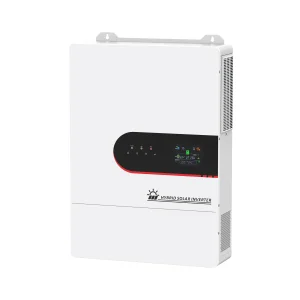
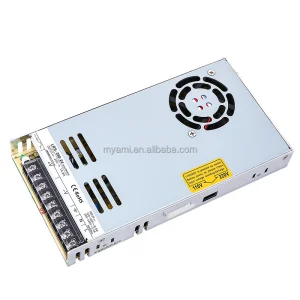
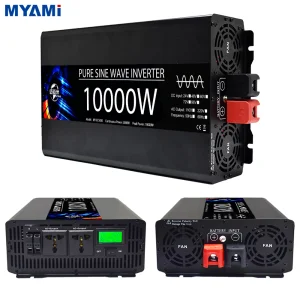
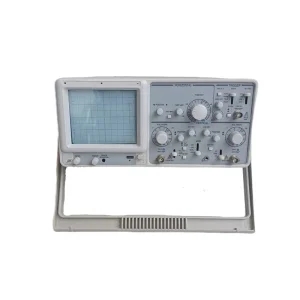
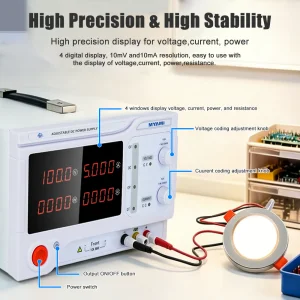
CE Certified Voltage Stabilizer Suppliers & Exporters

Precision Engineering, Global Compliance, and Resilient Industrial Power Quality Management for Mission-Critical Environments.

100%

CE & RoHS COMPLIANT

50+

EXPORT COUNTRIES

0.02s

FAST TRANSIENT RESPONSE

ISO9001

CERTIFIED MANUFACTURER

1. Industrial Power Volatility: The Imperative for Active Stabilization

In modern industrial setups, electromagnetic and voltage anomalies represent the largest source of equipment damage and unscheduled downtime. The shift towards automated production floors, high-sensitivity diagnostic laboratories, and computerized processing arrays requires an uninterrupted, stable supply of electrical power. Fluctuations in supply lines—ranging from transient over-voltages, sags, swells, to persistent harmonic distortions—directly degrade system efficiency and shorten the operating life of high-value capital assets.

A CE Certified Voltage Stabilizer functions as an active barrier between volatile utility grids and delicate industrial machinery. Designed to regulate incoming voltage swings automatically, these systems maintain a strict nominal output voltage window, typically within ±1% to ±5% of the target value. Utilizing electromagnetic induction, solid-state switching, or electronic servo-mechanisms, industrial stabilizers actively correct line variations, preventing thermal overload in motors, logic errors in programmable controls, and calibration drifts in measurement equipment.

"Power stability is not merely about system longevity; it is the foundation of operational reproducibility in high-precision manufacturing."

2. Technical Decoupling of CE Compliance: LVD, EMC, and Safety Directives

CE marking is not a voluntary badge; it represents a legally binding declaration that the industrial voltage stabilizer complies with all essential safety, health, and environmental protection directives mandated by the European Union. For global engineering procurers, sourcing CE-certified equipment guarantees compliance across several operational criteria:

  • Low Voltage Directive (LVD) 2014/35/EU: Regulates safety requirements for electrical equipment operating within 50 to 1000 V AC and 75 to 1500 V DC. Stabilizers must pass rigorous insulation tests, dielectric strength checks, and short-circuit path assessments to ensure users and nearby equipment are protected from electric shock or fire hazards.
  • Electromagnetic Compatibility (EMC) Directive 2014/30/EU: Ensures the voltage stabilizer does not generate excessive electromagnetic interference (EMI) that could disrupt local wireless systems or adjacent electronics. Simultaneously, it guarantees the stabilizer possesses adequate intrinsic immunity to external electromagnetic disturbances.
  • RoHS Directive 2011/65/EU: Limits the use of hazardous substances (such as lead, mercury, and cadmium) in the construction of the system, supporting ecological disposal and sustainable life-cycle management.

3. Shenzhen Myami Power Technology: Corporate Capabilities & Engineering Pillars

Headquartered in Shenzhen, China, Shenzhen Myami Power Technology Co., Ltd. (MYAMI) is a technology-driven manufacturer and solution provider specializing in high-precision, industrial-grade power supplies and electrical test equipment. Designed for engineering rigor, MYAMI bridges the gap between complex electronic research, high-voltage component testing, and scalable industrial automation.

Every MYAMI system is engineered with strict multi-layer protection protocols (OVP, OCP, OTP, and short-circuit safeguards) and complies with international safety and quality standards, including CE, RoHS, and ISO9001. Integrated with standard industrial control protocols (RS485, RS232, and CAN communication), our equipment seamlessly connects to automated production lines and central PC control systems.
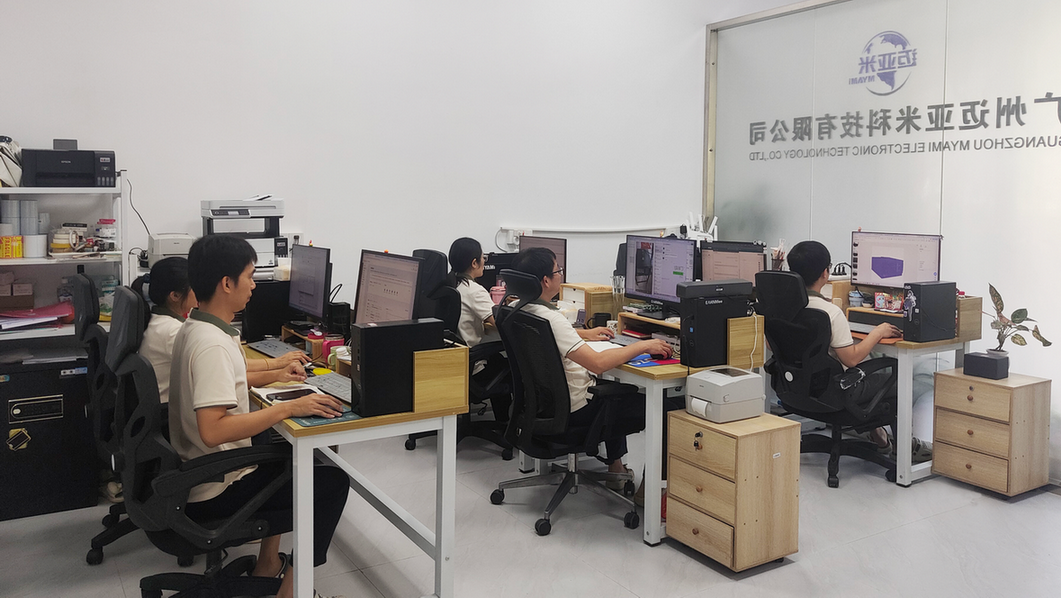
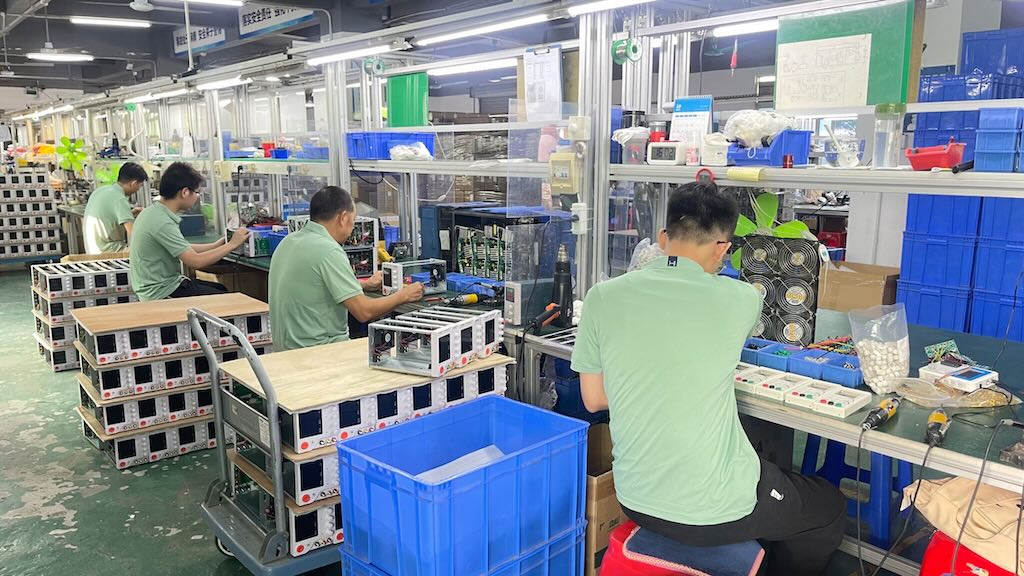
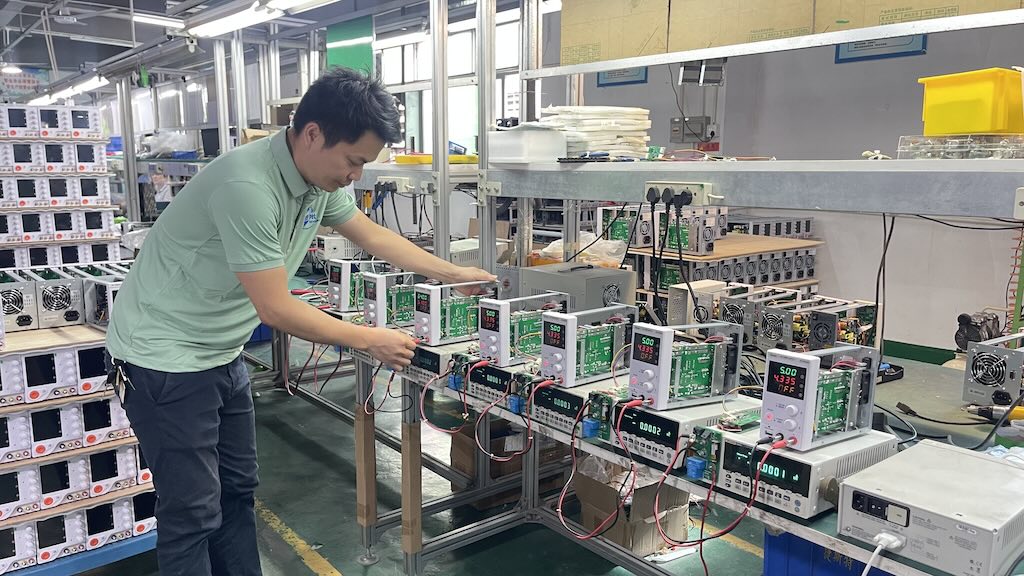
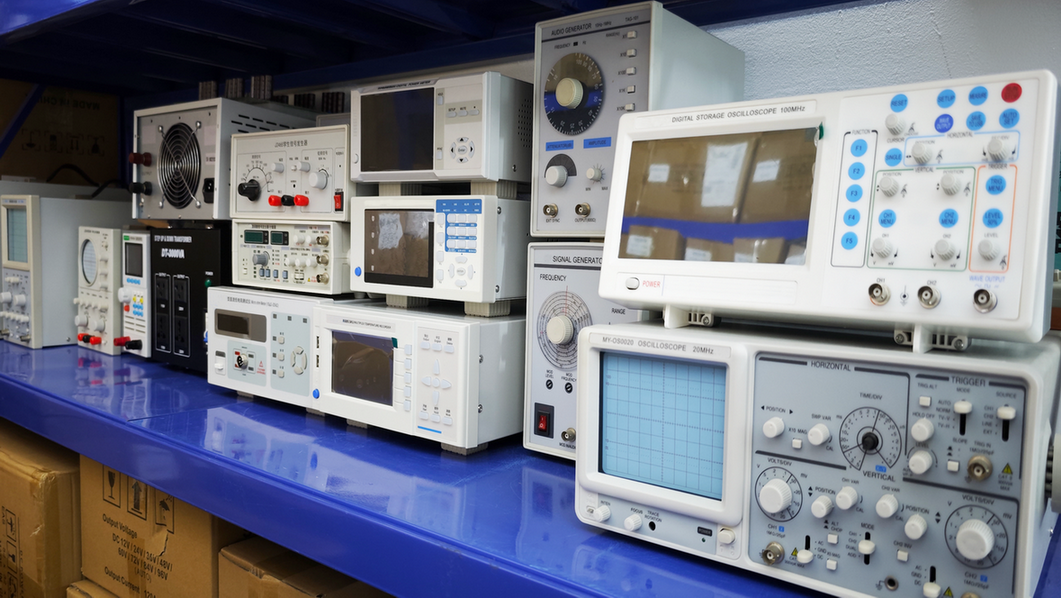
MYAMI Corporate Technology Facility

Our specialized engineering portfolio focuses on four core operational pillars:

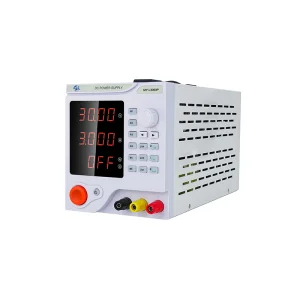
Programmable DC Power Supplies

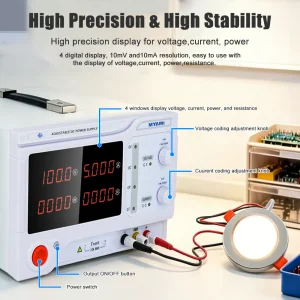
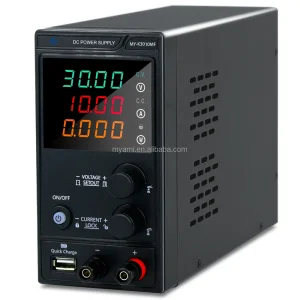
Featuring multi-digit LED displays, ultra-low ripple, and rapid transient response, engineered for precision electronic R&D, semiconductor evaluation, and PCB debugging.

High-Power & High-Voltage Testing

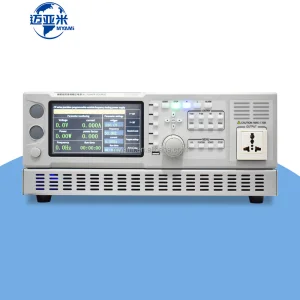
Delivering high-current, high-voltage DC/AC regulated power supplies (ranging up to hundreds of volts and amperes) built for industrial motor drives, electroplating rectifiers, and heavy-duty component burn-in testing.

EV & Renewable Energy Testing

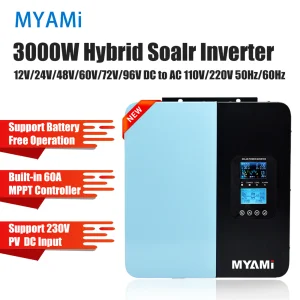
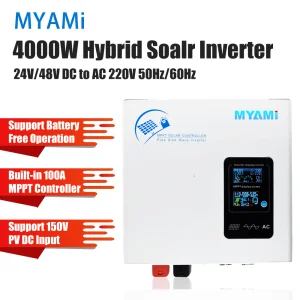
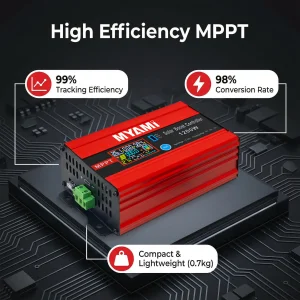
Providing specialized DC power units, battery simulators, and variable AC power sources engineered for Electric Vehicle (EV) On-Board Chargers (OBC), BMS evaluation, and solar inverter testing.

Benchtop Test & Measurement

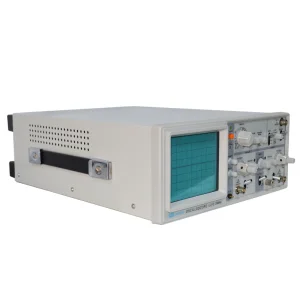
Supplying complementary test bench solutions, including digital oscilloscopes, multimeters, and specialized AC voltage regulators for global laboratories and technical institutes.

Today, MYAMI serves research institutions, automotive OEMs, aerospace contractors, and electronics manufacturers across North America, Europe, East Asia, and the Middle East. Whether you require a single benchtop lab power supply or a custom high-power aging system, MYAMI is your ultimate partner for precision power and uncompromised testing reliability.
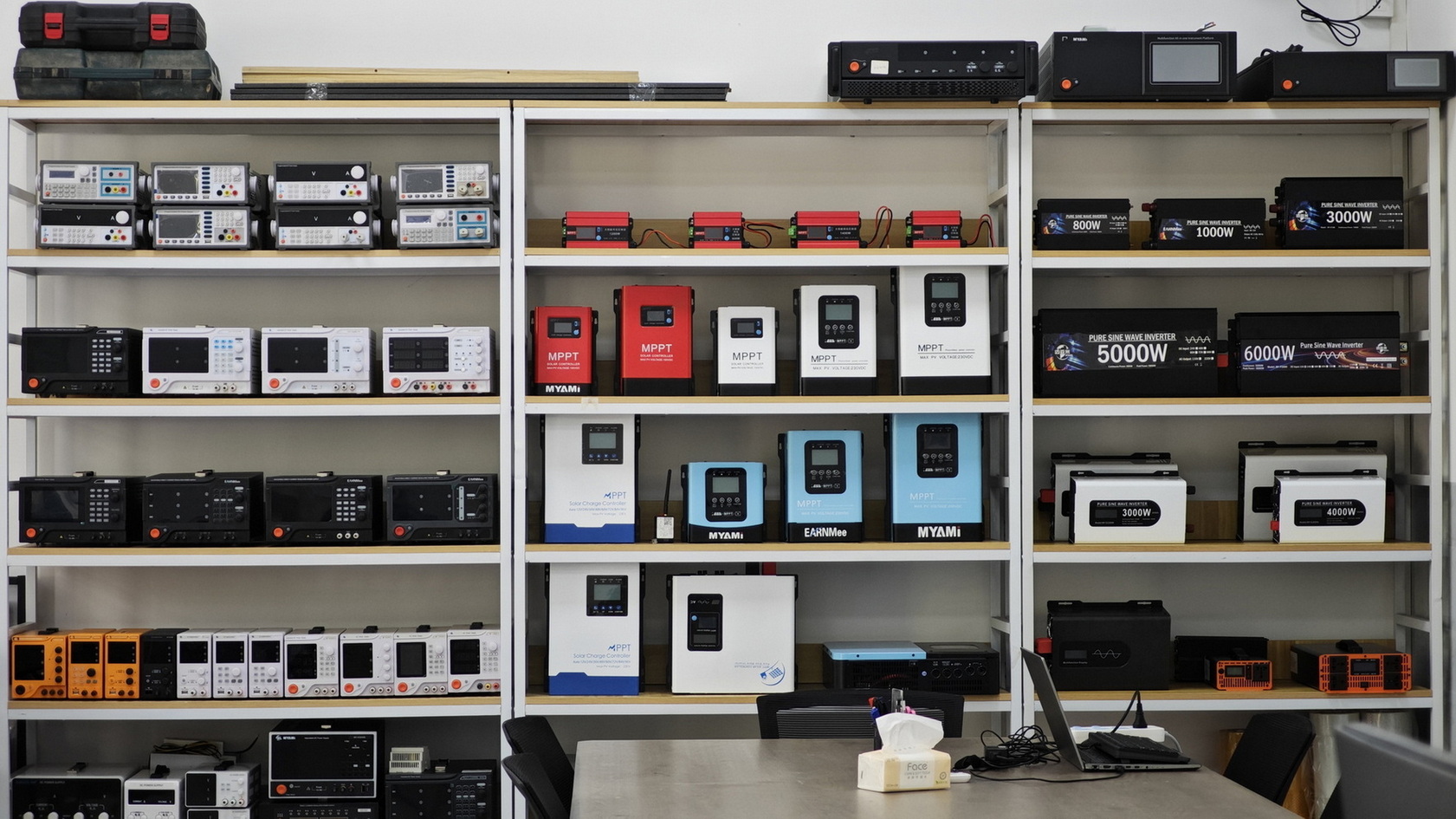
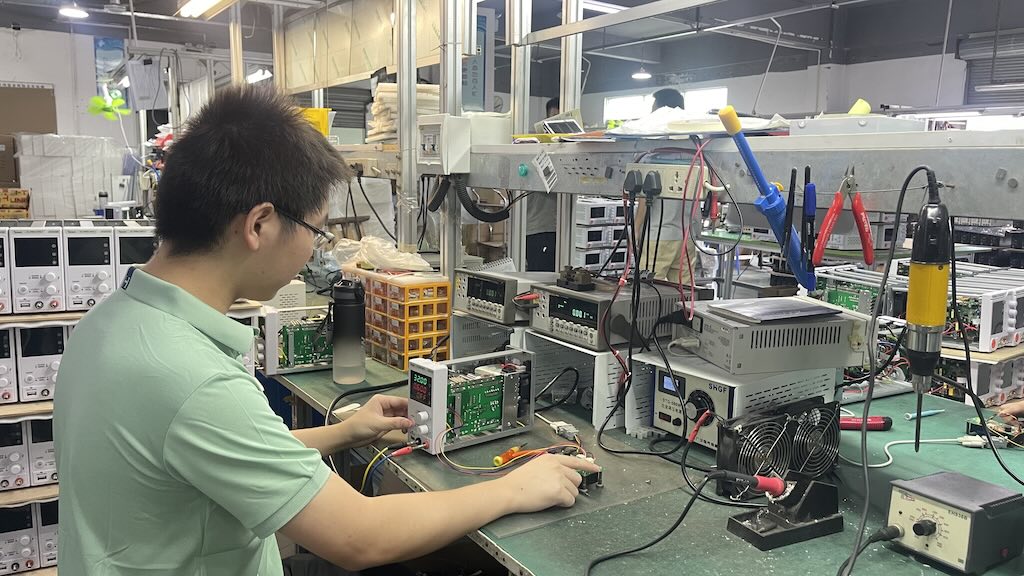
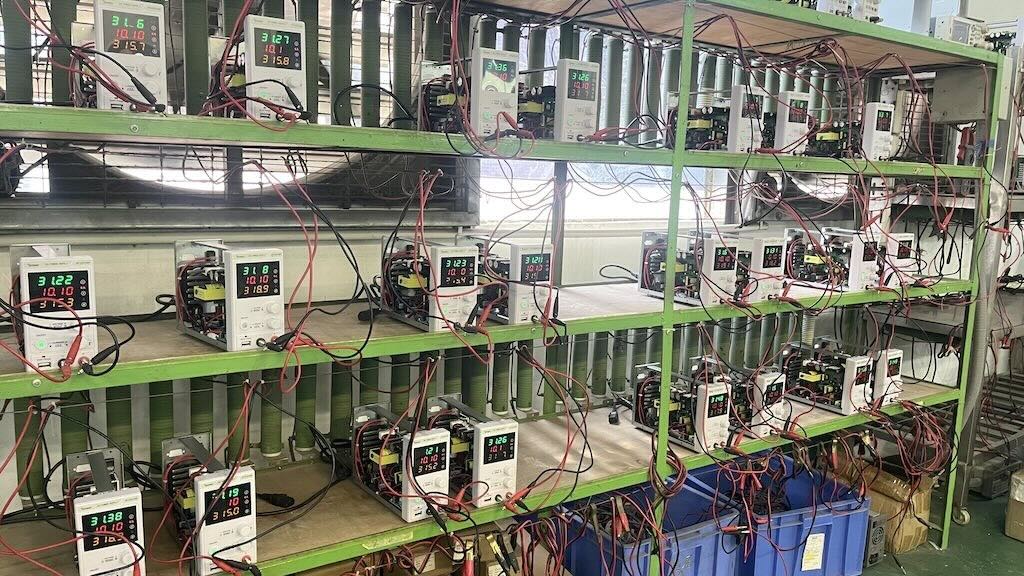
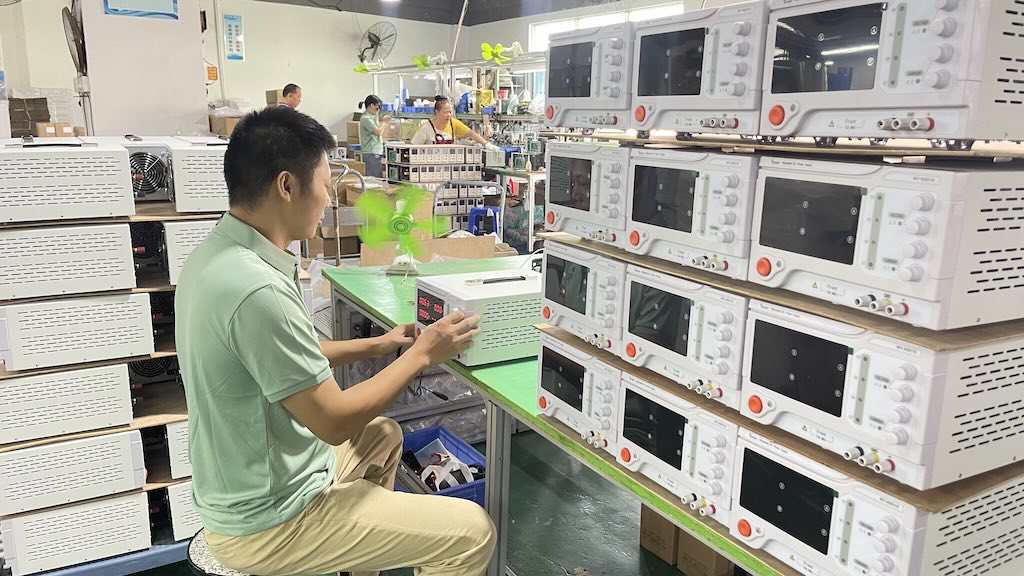
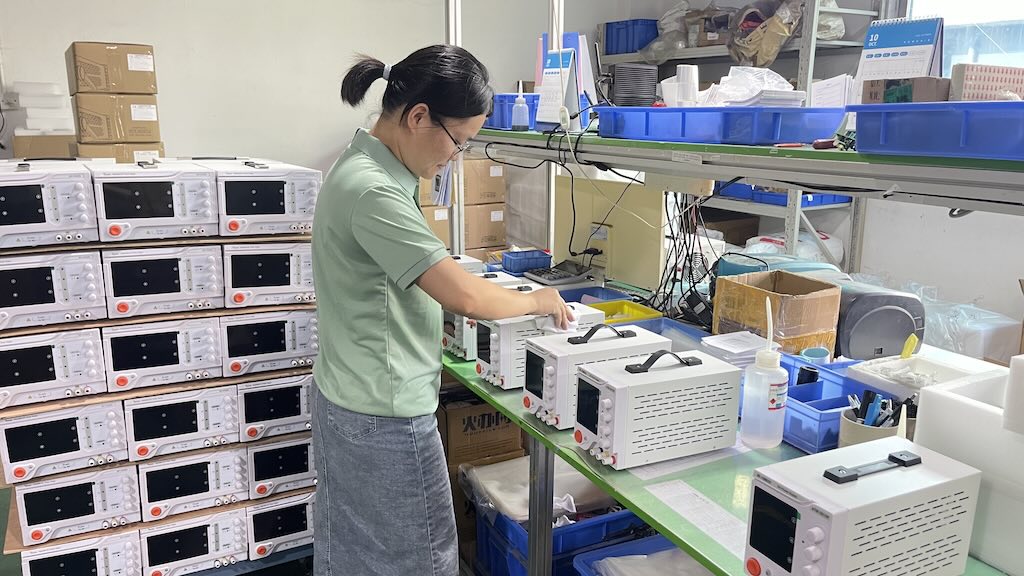
MYAMI Industrial Manufacturing Operations

4. Supply Chain Advantages of Shenzhen Power Electronics Ecosystem

Purchasing voltage stabilizers and power supplies from Shenzhen, China, provides substantial supply chain benefits to global enterprises. As a primary global hub for hardware design and electronics manufacturing, Shenzhen offers:

  • Concentrated Component Ecosystem: Immediate access to component markets lowers procurement lead times for high-grade silicon, copper wire cores, solid-state relays, microcontrollers, and custom-wound transformers.
  • Rapid Prototyping & Iteration: Hardware revisions that might take months elsewhere are completed in days. Engineering changes based on customer feedback can be simulated, prototyped, and tested quickly.
  • Cost Optimization via Vertical Integration: The clustering of sheet-metal fabricators, PCB assembly lines, winding facilities, and packaging suppliers minimizes shipping overhead and optimizes production costs.
  • Robust Testing Infrastructure: Proximity to world-class certification laboratories ensures compliance issues are addressed early in the design stage, speeding up the path to CE certification.

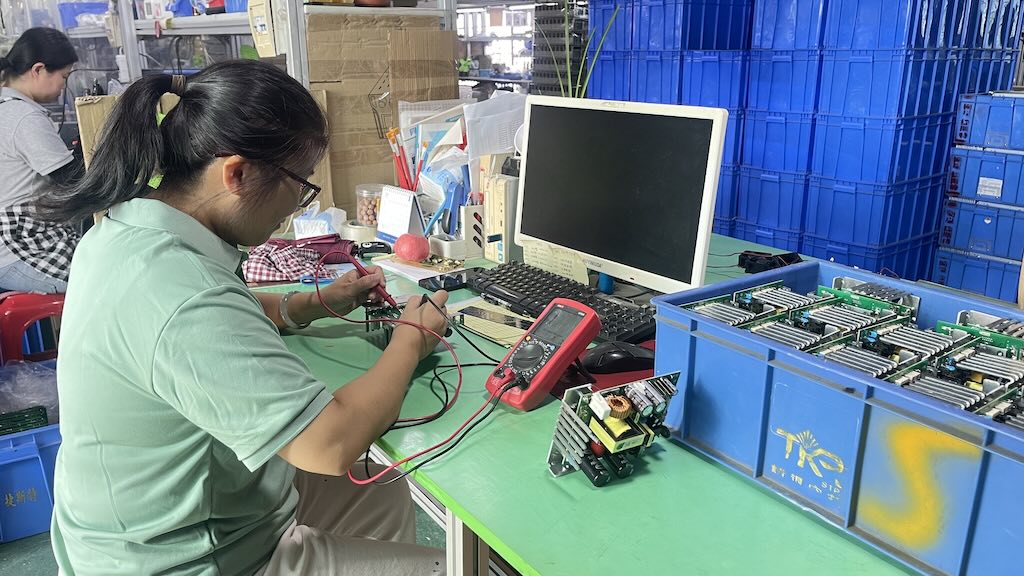
Rigorous Manufacturing & Calibration Processes

Every device undergoes strict quality gates, from incoming raw materials to final calibration and high-pot isolation testing.
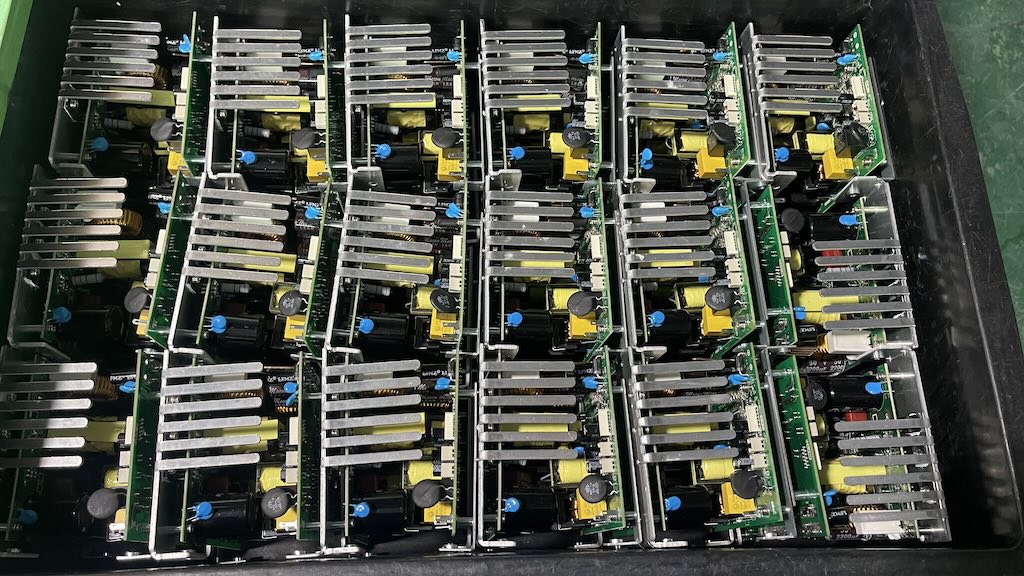
Raw Material Inspection
Raw Material
PCB Checking Process
PCB Checking
Assembling Line
Assembling
System Debugging
Debug
Thermal Aging Chambers
Aging
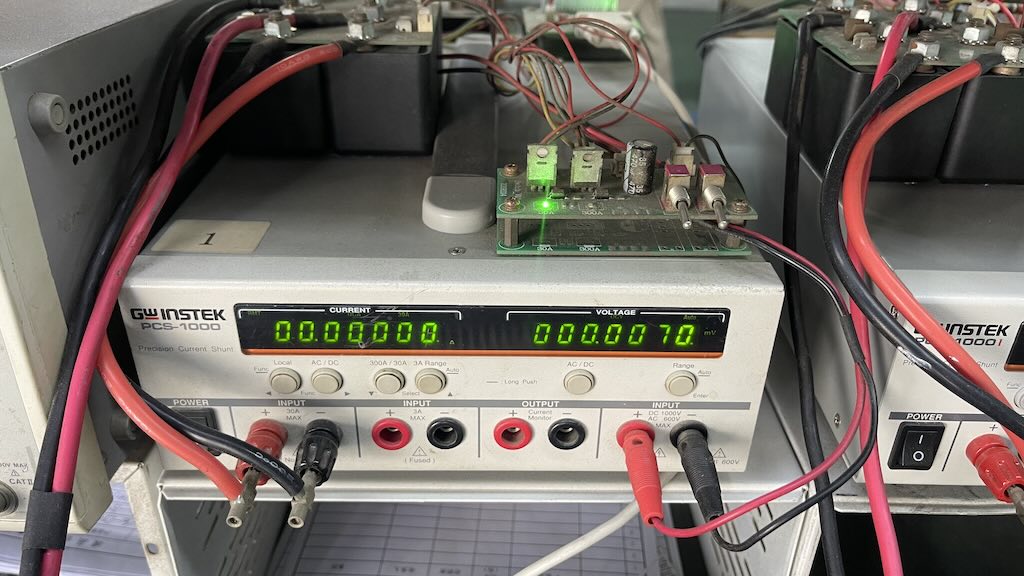
Precision Calibration
Calibration
QC Inspection Gate
QC checking
Secure Export Packing
Packing
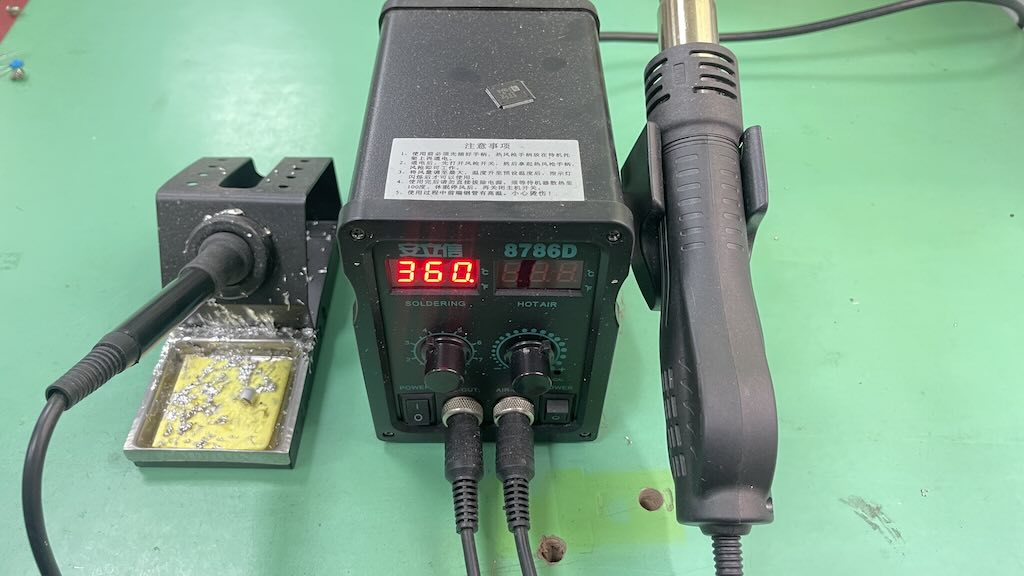
Precision Soldering
Soldering Station
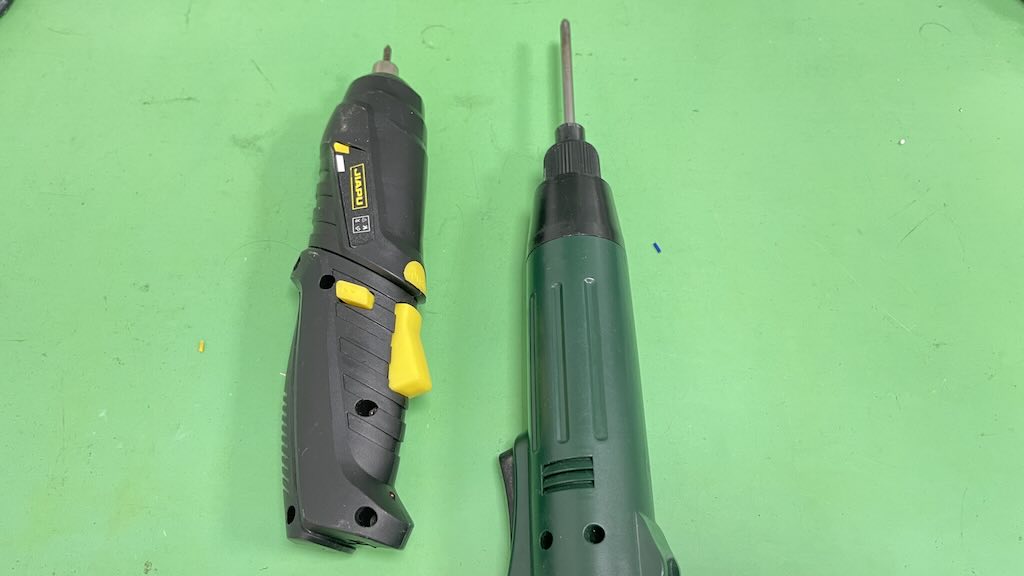
Electronic Assembly Screwdriver
Electronic Screwdriver
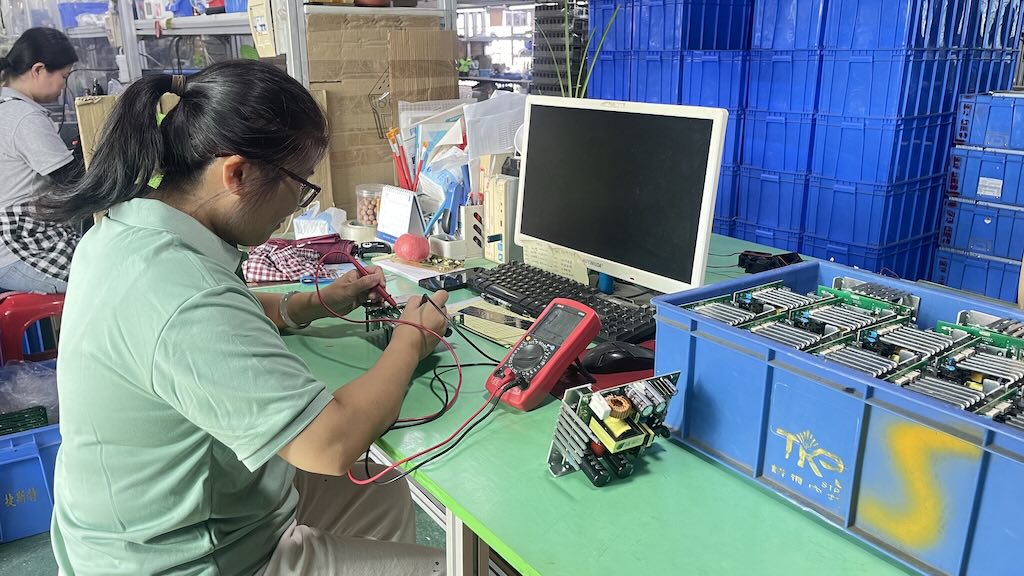
Secondary PCB Check
PCB Check
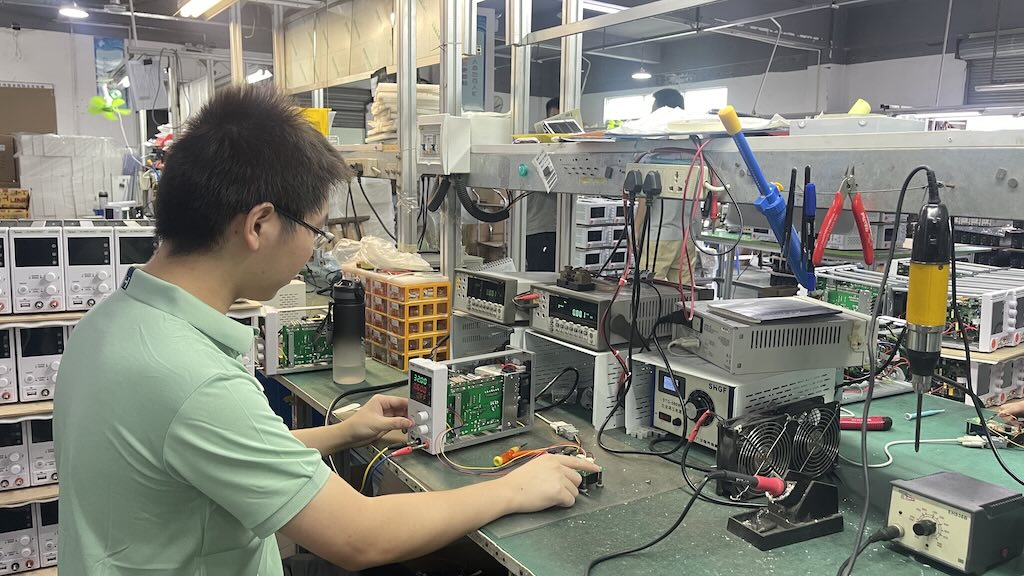
Instrument Debugging
Debug
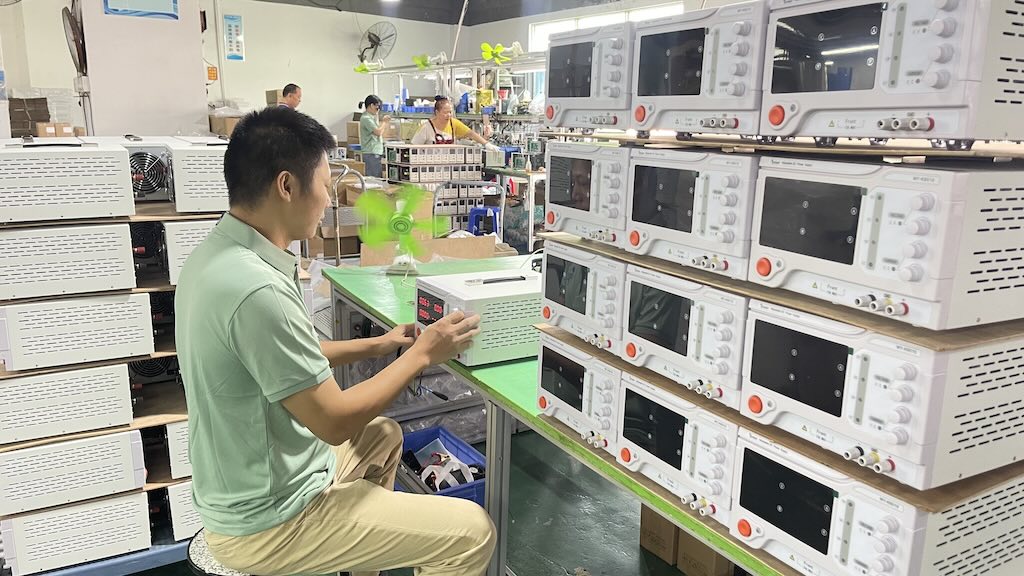
Final Quality Control Gate
QC check
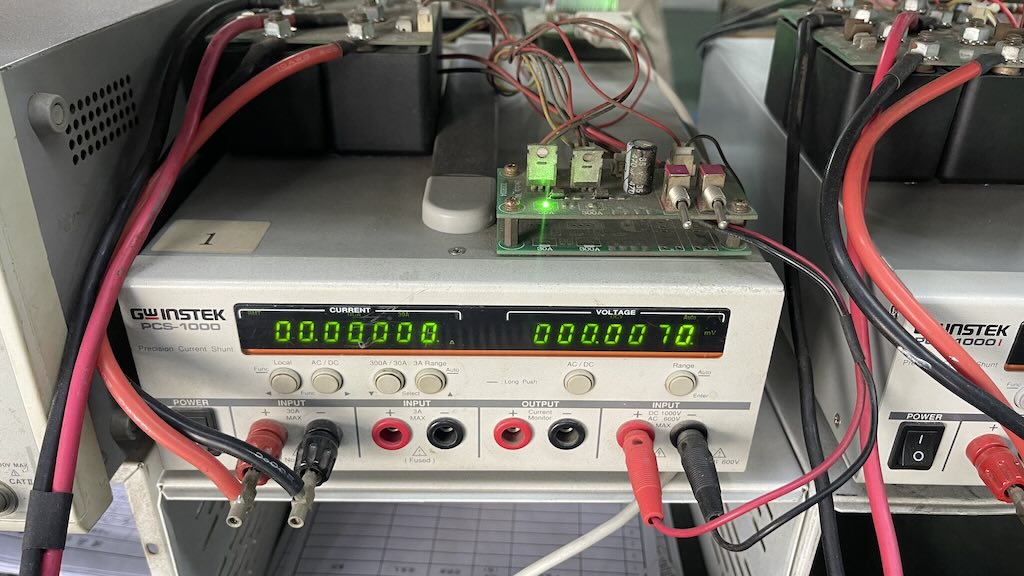
Digital Multimeter Verification
Multimeter
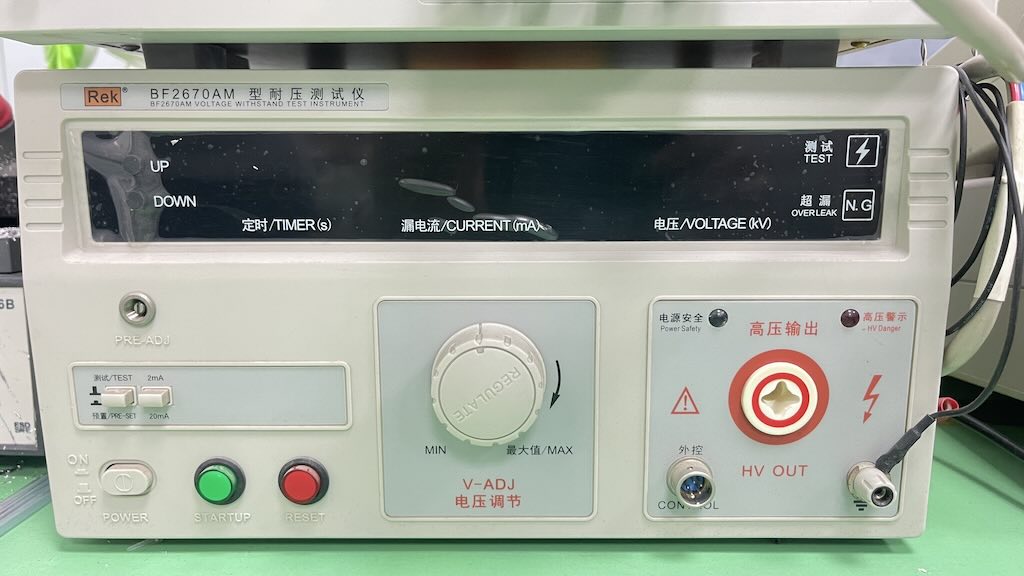
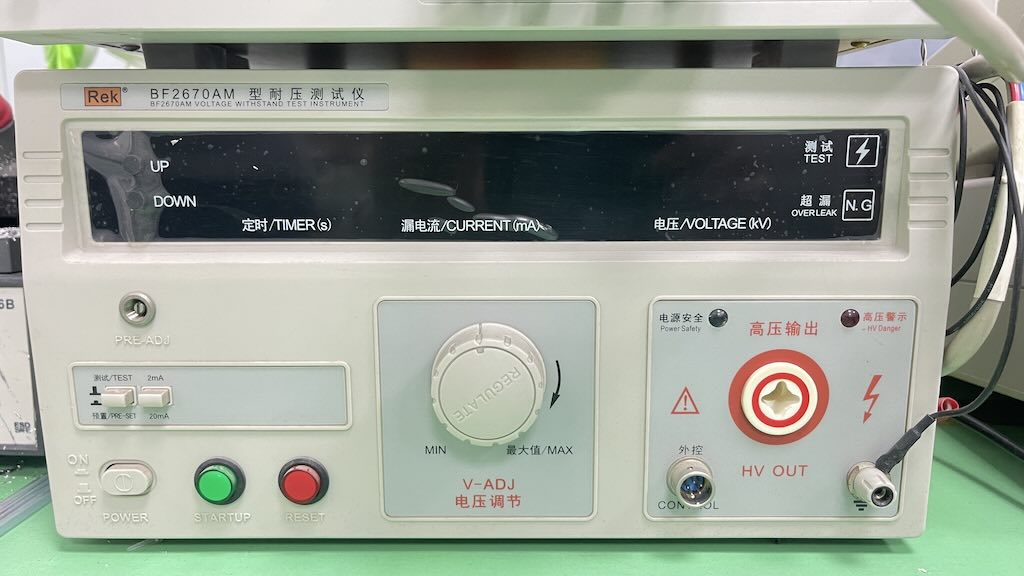
Hi-pot Insulation Testing
Hi-pot Tester
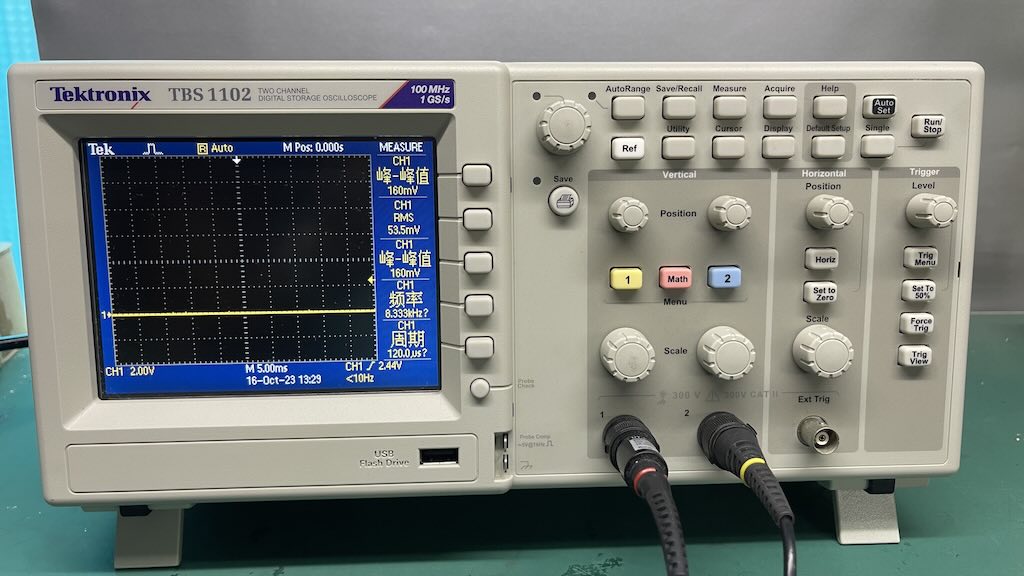
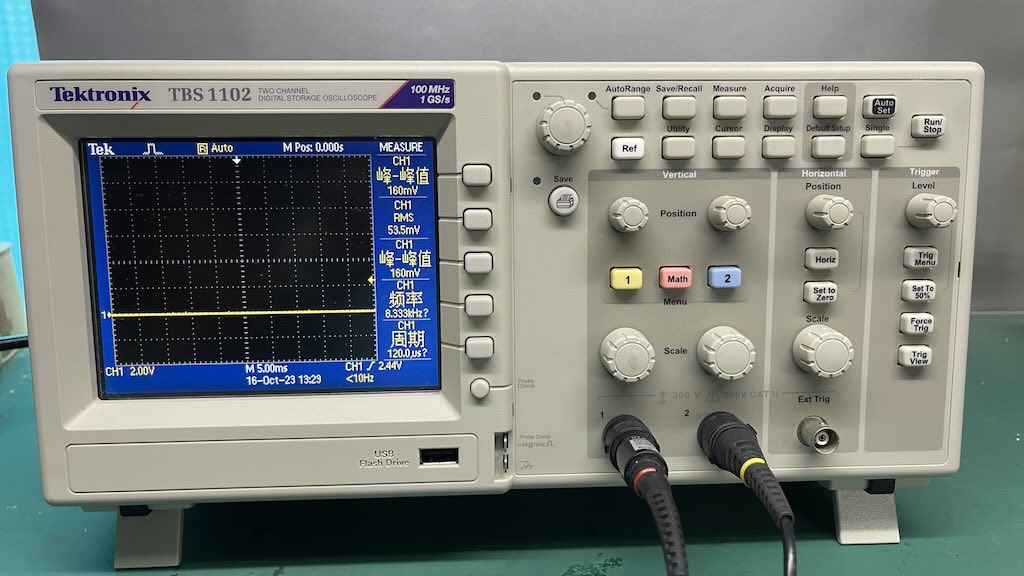
Oscilloscope Waveform Diagnostic
Oscilloscope
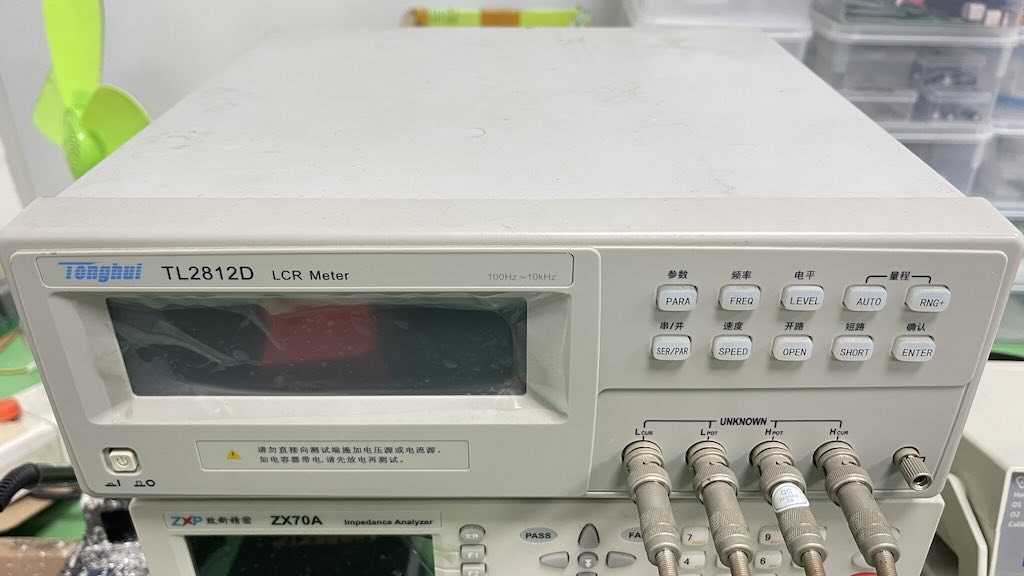
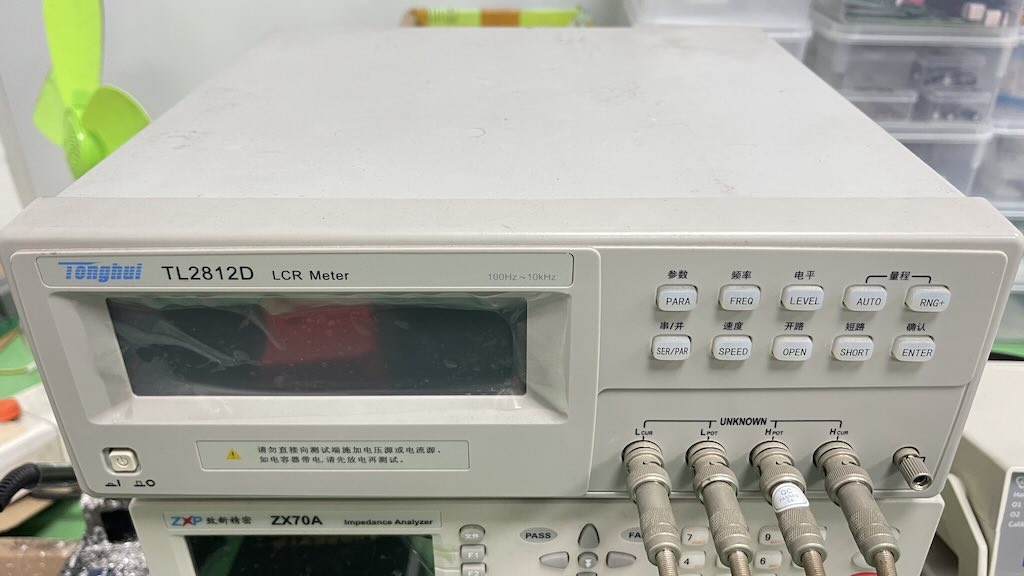
LCR Parameter Measurement
LCR Meter
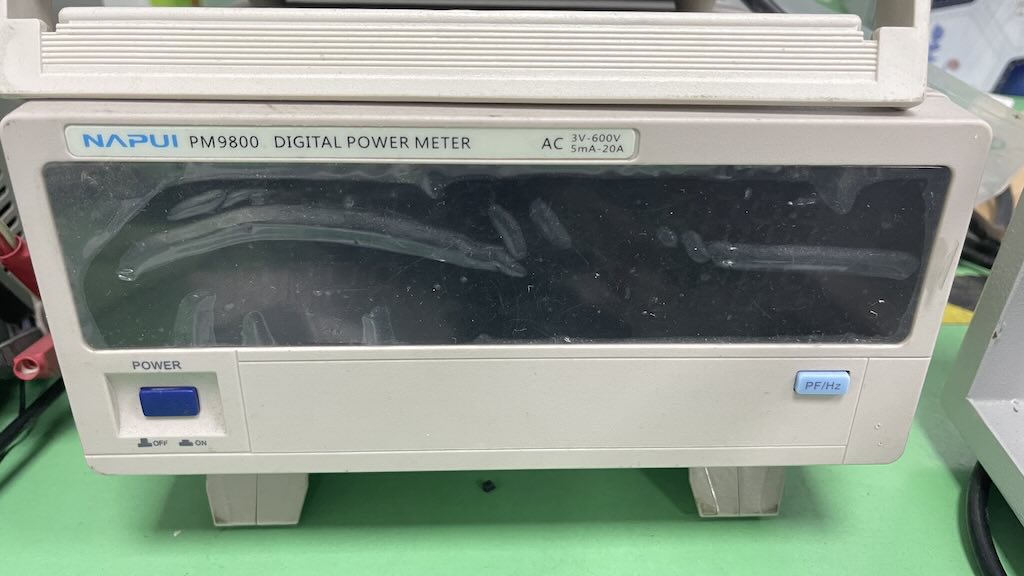
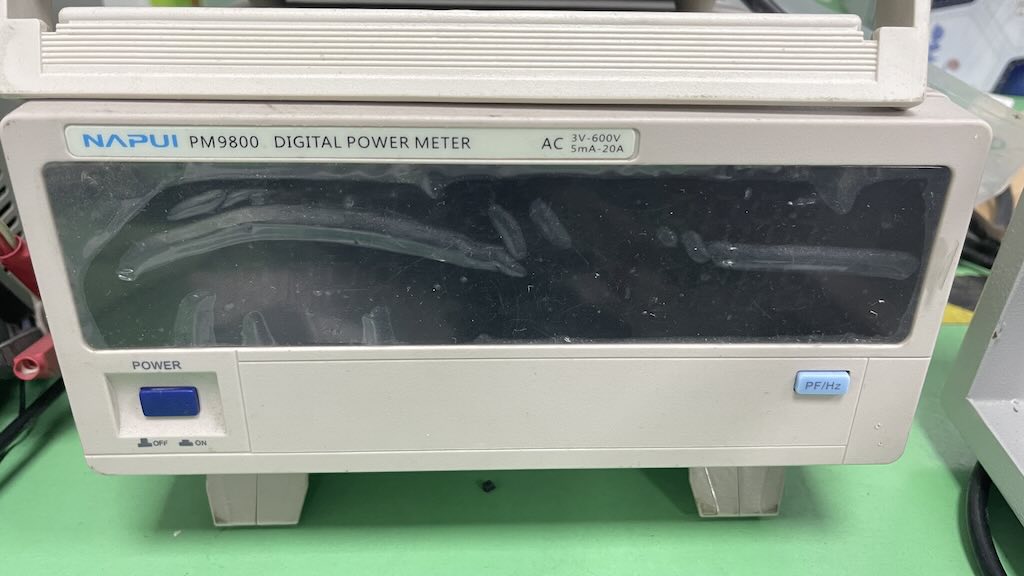
Digital Power Meter Measurement
Digital power meter
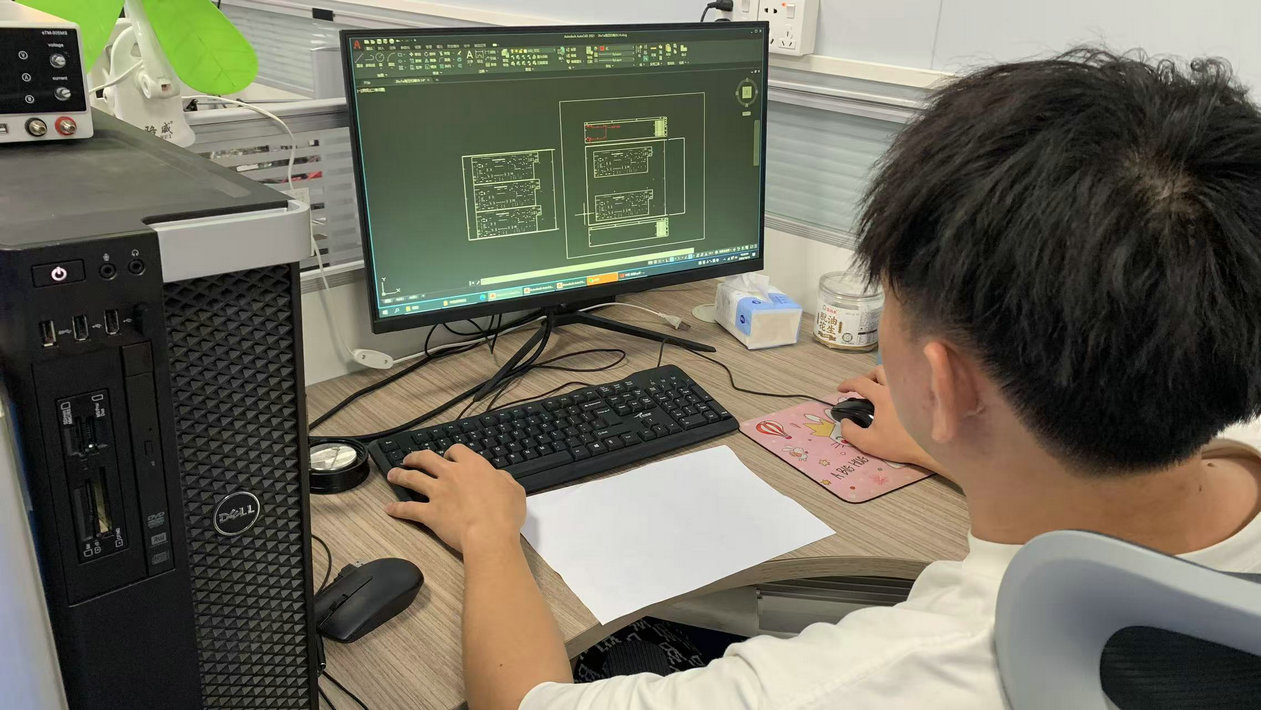
Mechanical CAD Design Stage
Design
System Multimeter Test
Multimeter
High Voltage Isolation Testing
Hi-pot Tester
High Frequency Oscilloscope Waveform Check
Oscilloscope
Impedance and Capacitance Checking
LCR Meter
Final Digital Power Output Test
Digital power meter
MYAMI Industrial Flowchart & Assembly Map

5. Global Enterprise Sourcing & Localization Optimization

International procurement teams frequently experience discrepancies between laboratory performance and real-world deployment of power quality systems. These issues often arise because stabilizers designed in one region may fail to address the specific power characteristics of another.

To avoid these issues, our engineering processes emphasize localized parameters adaptation. We design voltage stabilizers to meet the specific requirements of regional grids:

  • Grid Frequency Variations (50Hz vs 60Hz): Systems deployed in North America must operate at 60Hz, whereas European and Asian operations run primarily at 50Hz. Core transformer designs must accommodate both frequencies to avoid losses and excessive heat.
  • Ambient Environmental Tolerances: Heavy industrial environments in regions like the Middle East or Sub-Saharan Africa require tropicalization, conformal coatings on PCBs, and forced air or oil-cooled designs to function reliably at temperatures exceeding 50°C.
  • Customized Fault Clearance: Integration with local downstream protection devices (MCBs, MCCBs) ensures that in the event of an output short-circuit, the stabilizer safely isolates the fault without damaging its internal SCR switches or servo windings.

6. Regional Application Scenarios & Engineering Case Profiles

To understand the function of active voltage stabilization, consider these typical target applications:

Automated SMT Production Lines

Surface Mount Technology (SMT) pick-and-place systems require stable voltage to keep high-speed servo motors synchronized. Sudden voltage sags can cause component misalignments and production stops, leading to costly waste.

Medical Diagnostics & MRI Units

Magnetic Resonance Imaging (MRI) and CT scanners depend on high voltage stability to generate clear diagnostic images. Fluctuations can compromise scan quality and damage sensitive RF amplifiers.

Remote Telecom Infrastructure

Wireless transceiver stations in remote areas often rely on unstable local grids or diesel generators. Deploying a CE-compliant voltage stabilizer prevents power supply failures and reduces maintenance visits.

Industrial power management is shifting from passive devices toward intelligent, connected systems. Key trends reshaping the design of voltage stabilizers include:

  • Silicon-Controlled Rectifier (SCR) Solid-State Design: Traditional mechanical servo stabilizers rely on moving carbon brushes, which wear out over time. Modern systems are moving toward solid-state SCR designs, which offer near-zero maintenance and response times under 20 milliseconds.
  • IoT Integration & Cloud Diagnostics: Voltage stabilizers are increasingly fitted with Ethernet, Wi-Fi, or cellular modems. Operational parameters, load curves, and alarm logs can be analyzed remotely, enabling predictive maintenance before failures occur.
  • Green Transformer Technology: New efficiency regulations require manufacturers to reduce idling losses. Using high-permeability amorphous alloy cores reduces no-load losses, lowering operating costs over the life of the system.

Industrial Voltage Stabilizer FAQ

Technical answers to common questions about voltage stabilization and selection.

What is the primary difference between a Servo-controlled stabilizer and a Static (SCR) stabilizer?
Servo-controlled stabilizers use a motorized variable transformer and carbon brushes to physically adjust output voltage. They offer high capacity and cost efficiency but have slow response times (0.5s to 2s) and require regular maintenance. Static stabilizers use solid-state thyristors (SCRs) to select winding taps electronically. They feature response times of 10 to 20 milliseconds, have no moving parts, and require virtually no maintenance.
How do I size a voltage stabilizer for inductive loads like motors or compressors?
Inductive loads draw high inrush currents during startup—often 3 to 7 times their rated operating current. When sizing a stabilizer, calculate this peak startup draw (kVA) or specify a stabilizer with a high overload capacity (e.g., 200% capacity for 10 seconds) to prevent safety shutdowns during motor starts.
Why is CE certification critical for voltage stabilizers exported to Europe and the Middle East?
CE certification ensures compliance with the Low Voltage Directive (LVD) and Electromagnetic Compatibility (EMC) standards. Without this certification, importation into the EU is prohibited, and industrial facilities in regions like the Middle East often require it to satisfy safety regulations and insurance policies.
Can a voltage stabilizer also function as a harmonic filter?
Standard stabilizers correct voltage sags, swells, and fluctuations but do not filter high-frequency harmonics generated by non-linear loads. To address harmonic distortion, a stabilizer must be configured with active harmonic filtering components or combined with an isolation transformer.
How do ambient operating conditions impact the life expectancy of a stabilizer?
High temperatures, dust, and humidity can degrade copper windings and trigger thermal shutdowns in electronic controls. For installations in harsh environments, select stabilizers housed in NEMA-rated/IP54 enclosures with forced-air cooling, dust filters, and conformal-coated electronics.