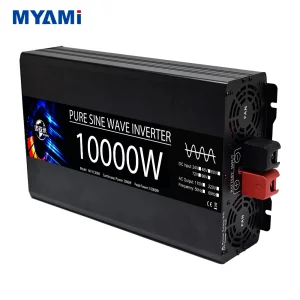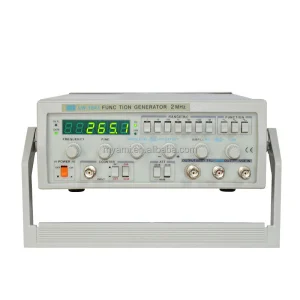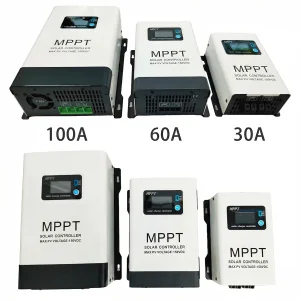
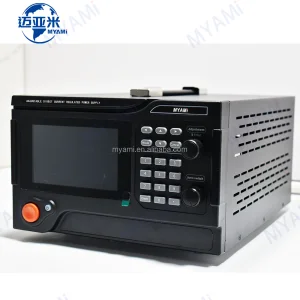
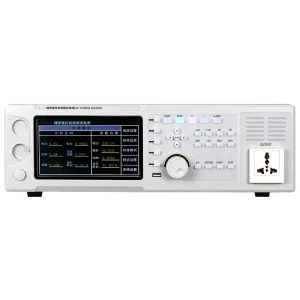
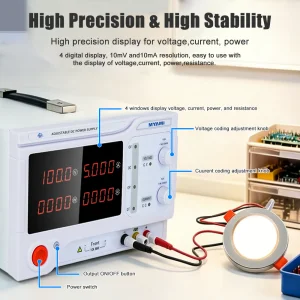

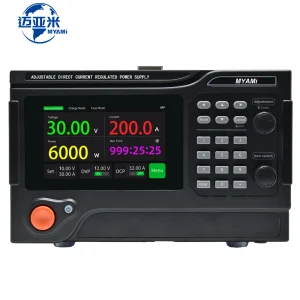
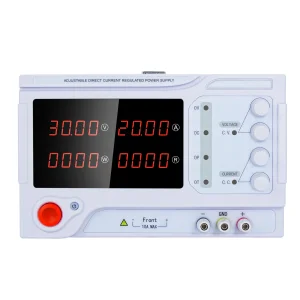
In modern power electronics, the demand for high-reliability capacitive components has surged alongside the expansion of electric vehicles (EV), high-voltage testing systems, grid-tied renewable energy storage, and industrial automation. As a leading technology-driven partner, Shenzhen Myami Power Technology Co., Ltd. (MYAMI) bridges the vital engineering gap between custom capacitor design, heavy-duty validation systems, and production-grade integration.
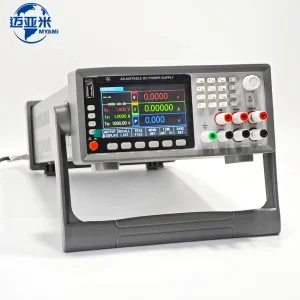
Selecting a custom OEM capacitor factory requires assessing structural, chemical, and electrical parameters beyond raw microfarads ($\mu\text{F}$) and operating voltages. High-performance circuits demand careful management of Equivalent Series Resistance (ESR), Equivalent Series Inductance (ESL), self-healing metallized films, and dielectric thermal dissipation. MYAMI supports global enterprises by designing and providing advanced industrial-grade power supplies and electrical test equipment to evaluate capacitor systems under extreme operational limits.
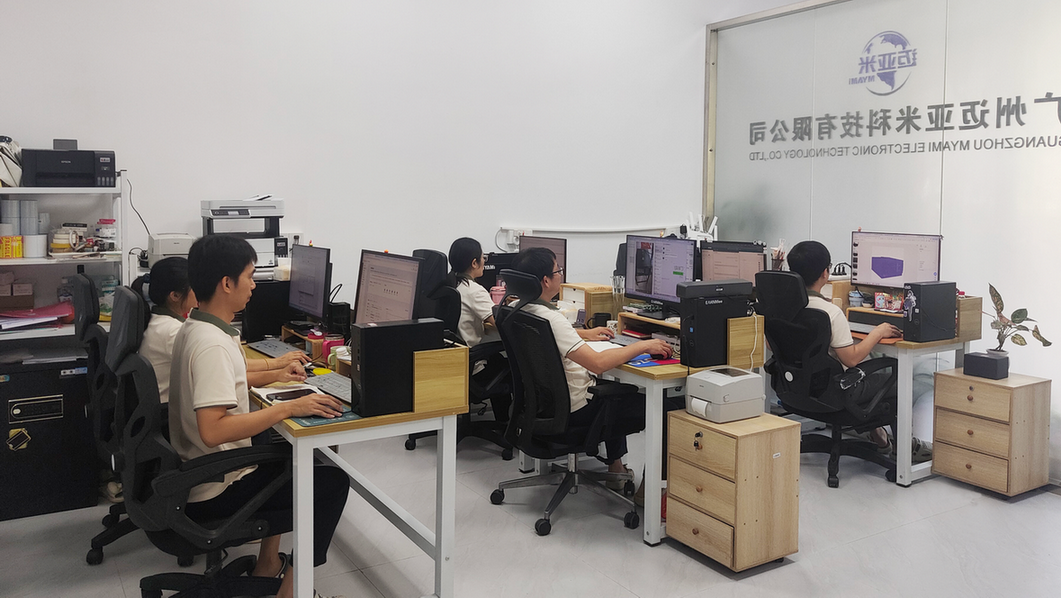
Procurement engineers in automotive, aerospace, and renewable energy sectors face rigorous constraints when auditing custom capacitor factories. Standard off-the-shelf components rarely meet the spatial, electrical, and thermal demands of advanced power topologies. Key factors driving custom OEM capacitor sourcing include:
Automotive OBC systems demand capacitors that resist severe mechanical stress and thermal cycles. Materials like metallized polypropylene film and polyphenylene sulfide (PPS) require custom potting and structural housings to withstand vibrations up to 20G and temperatures reaching 125°C.
Minimizing internally generated heat ($\text{Power Loss} = I_{rms}^2 \times \text{ESR}$) is vital. Custom metallized film winding patterns and specialized contact spraying help reduce ESR to sub-milliohm levels, mitigating risk in high-frequency applications like solar inverters.
Modern layouts require custom shapes—whether flat, ring-configured, or square structures with busbar connections. This ensures low-inductance links directly to IGBT or SiC MOSFET power switches, optimizing switching speed and voltage stability.
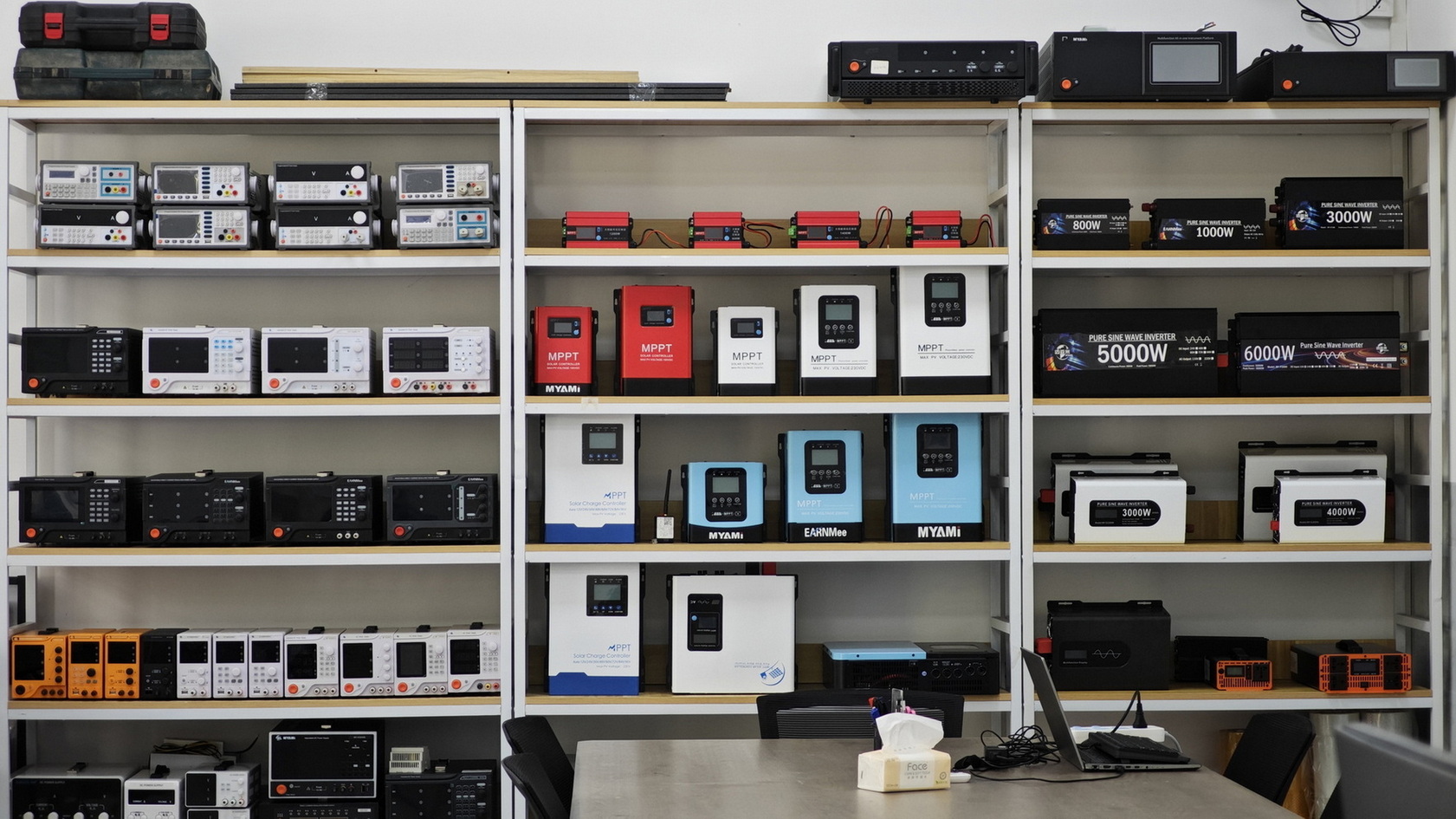
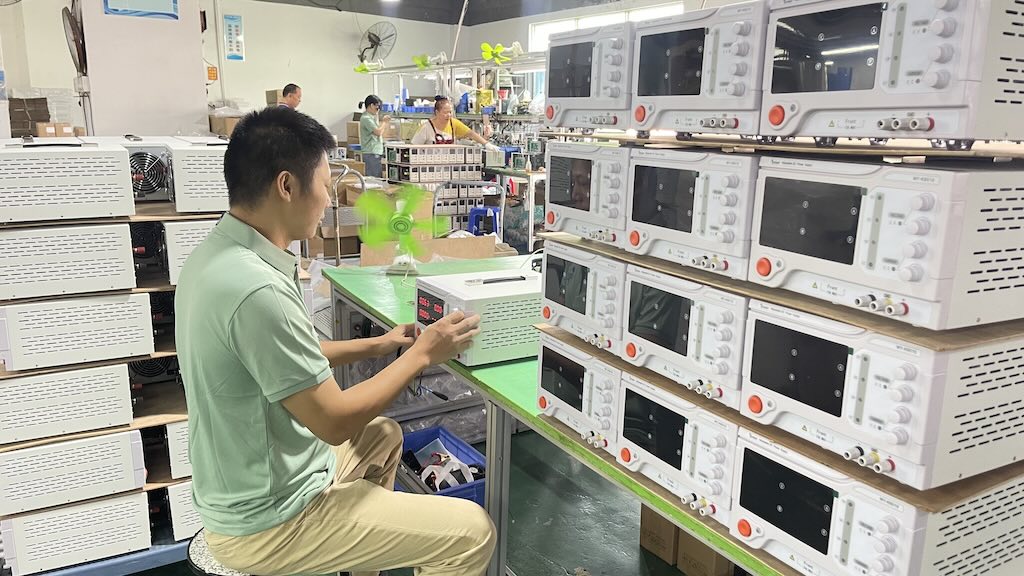
China's manufacturing sector offers distinct structural advantages for global procurement, combining advanced materials processing, rapid prototype engineering, and cost-effective scaling. Based in Shenzhen, MYAMI leverages this comprehensive industrial ecosystem to integrate premium raw materials, precise PCB assemblies, and high-precision testing instruments.
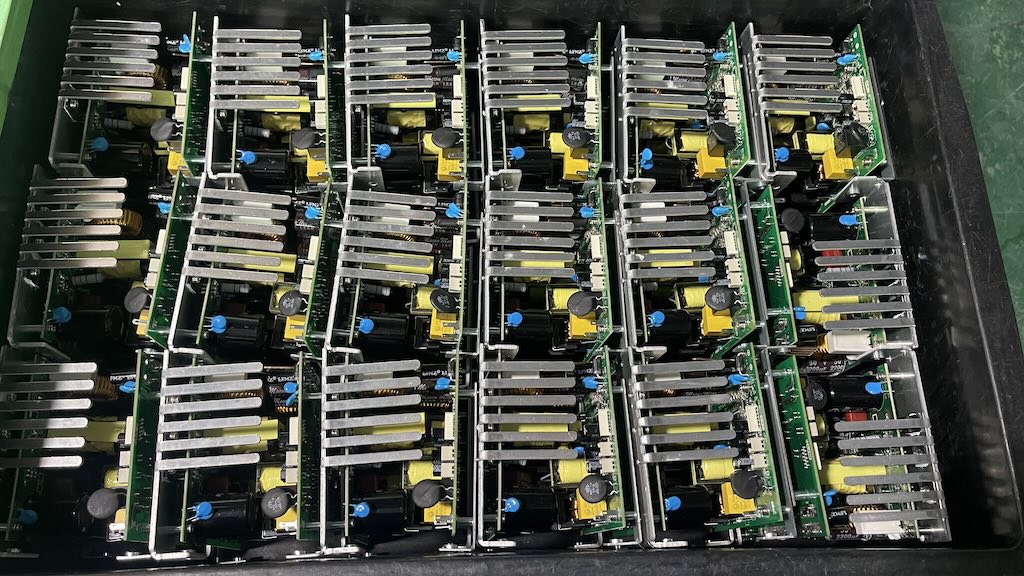
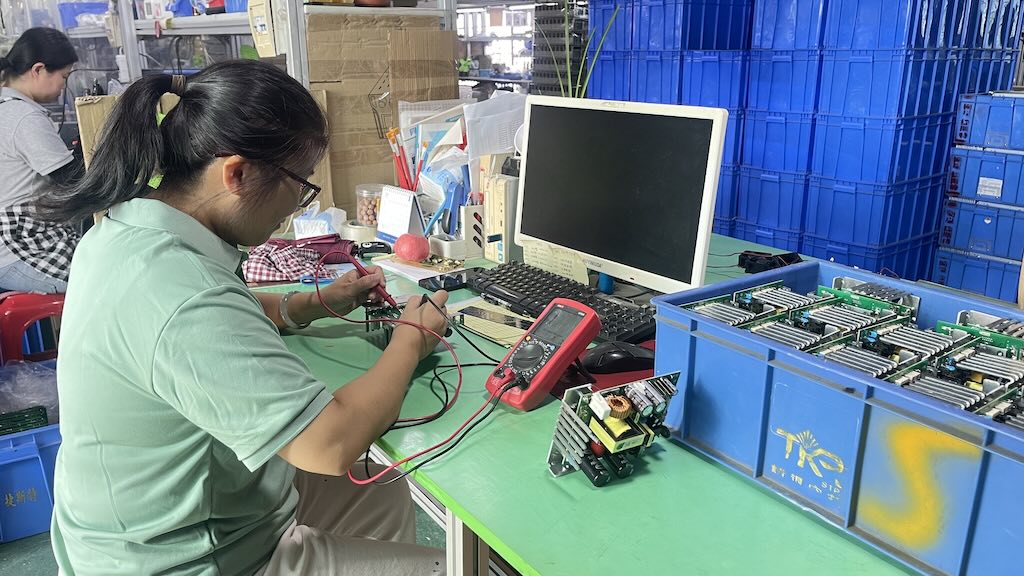
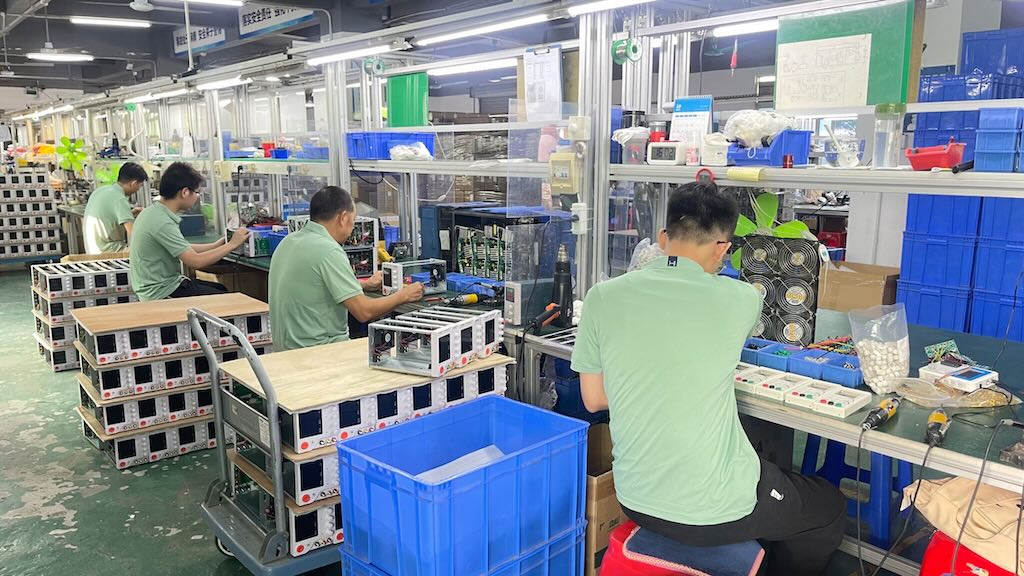
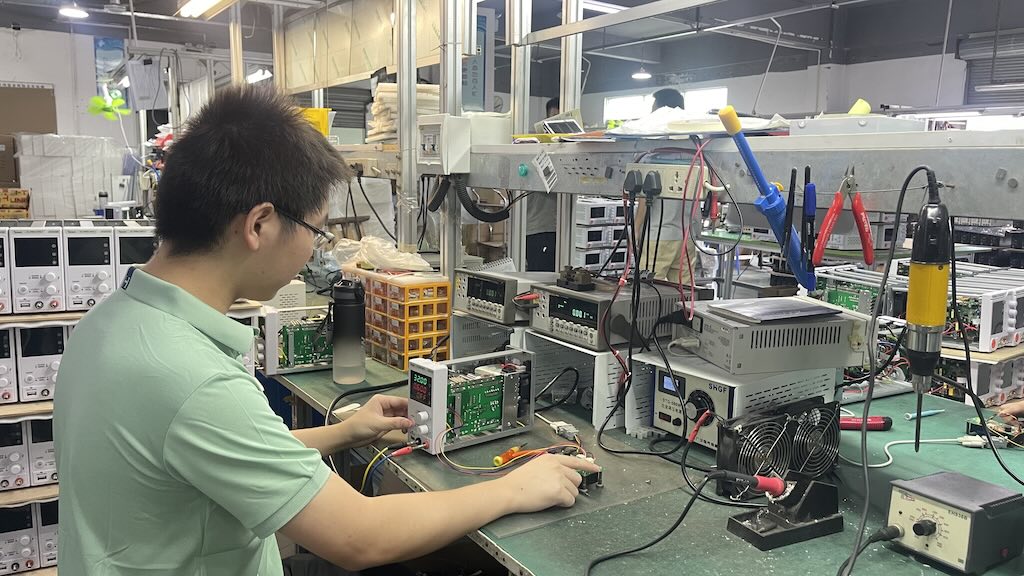
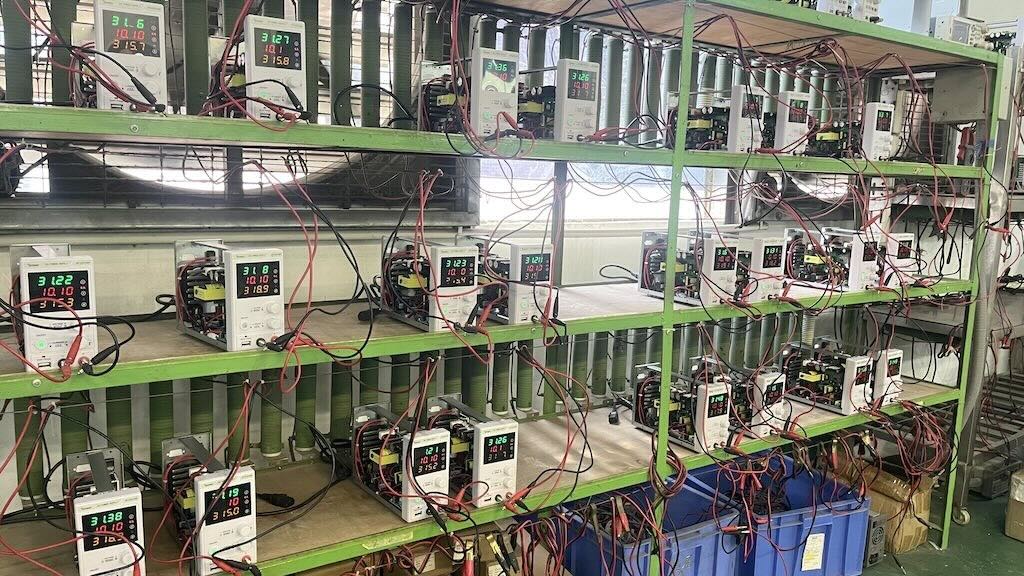
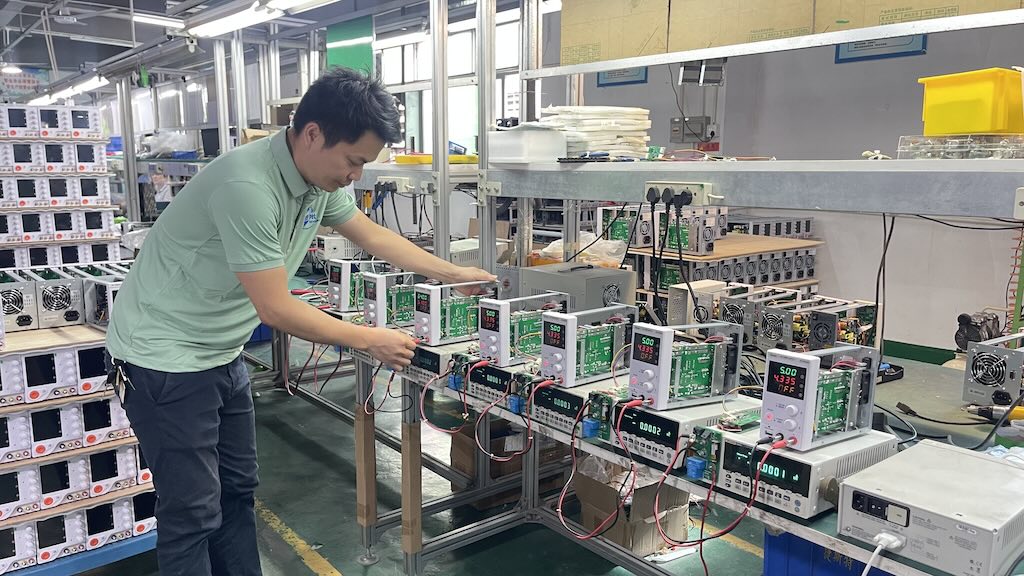
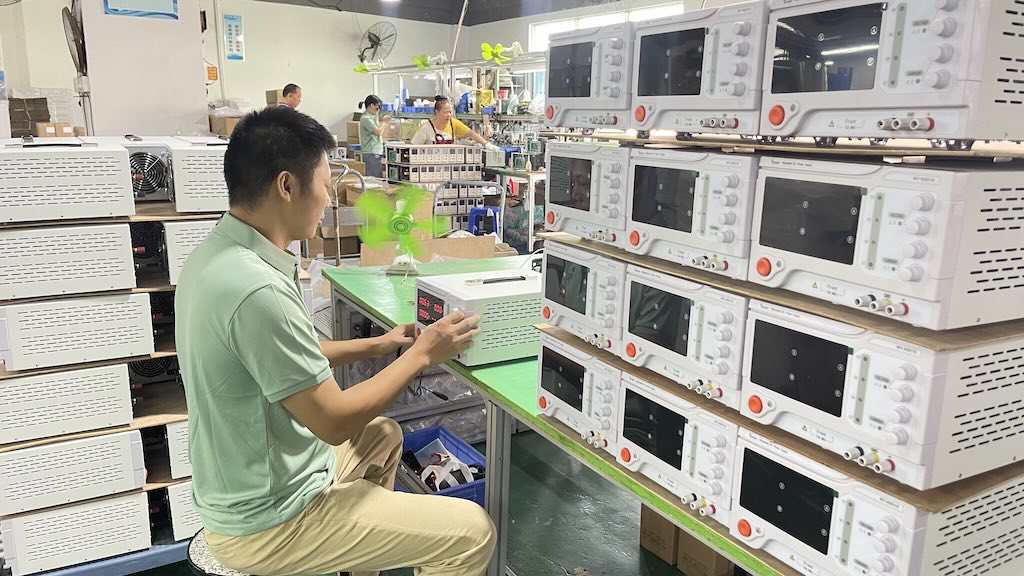
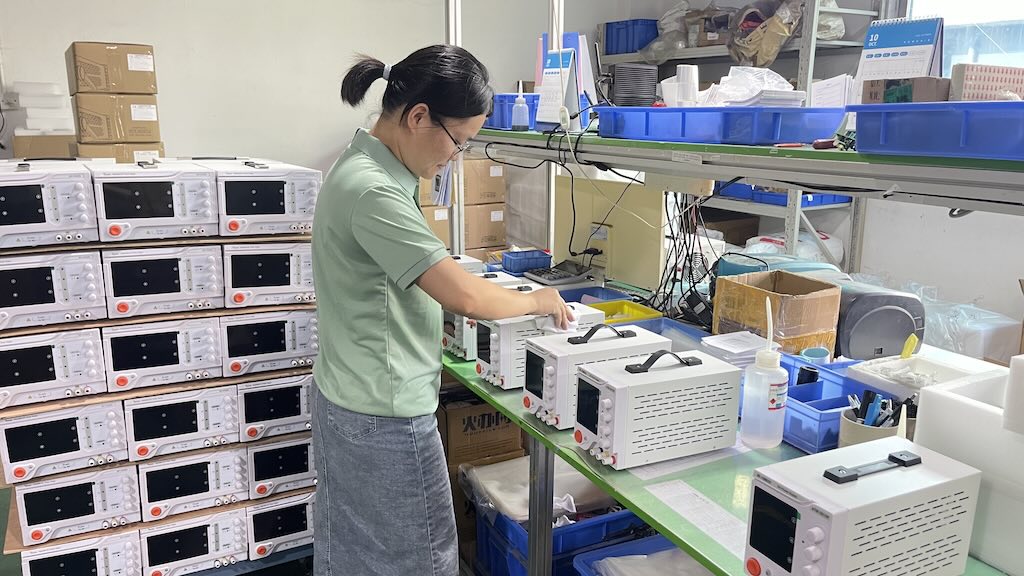
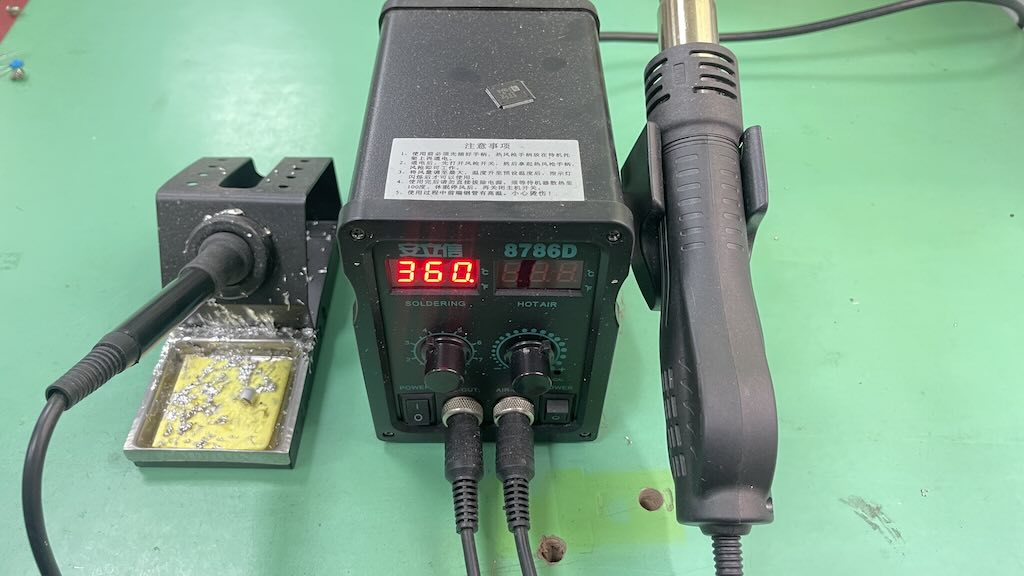
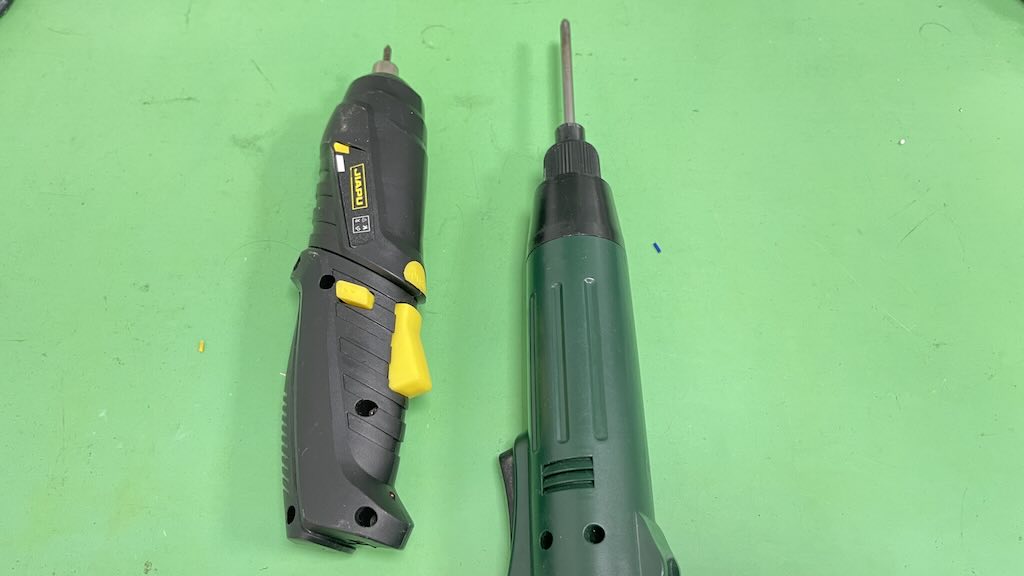
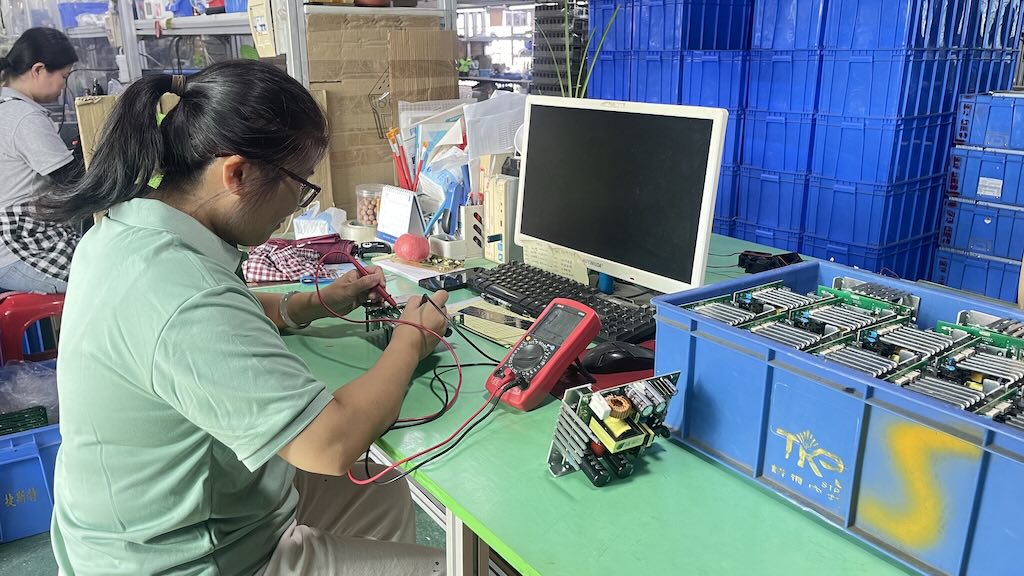
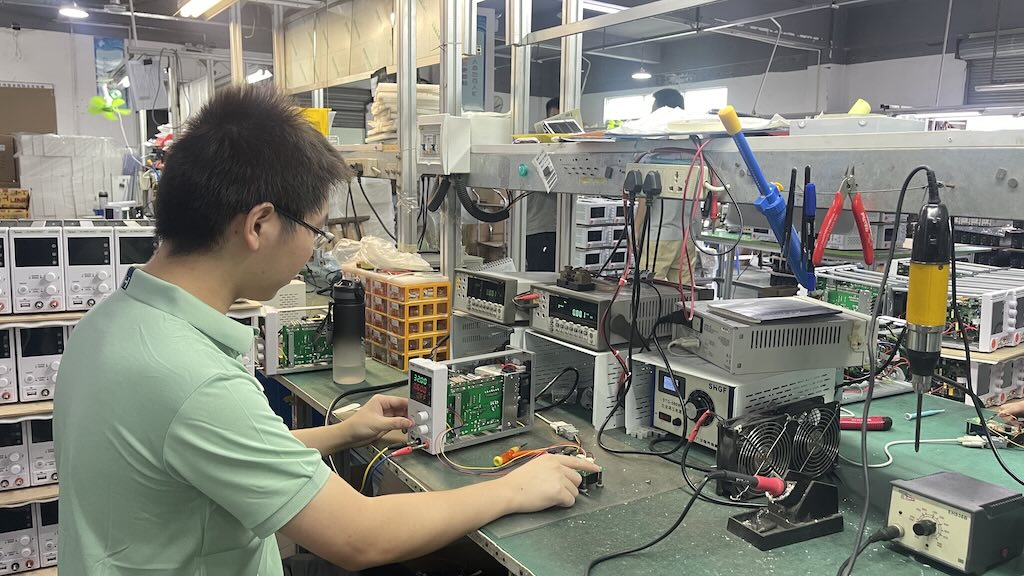
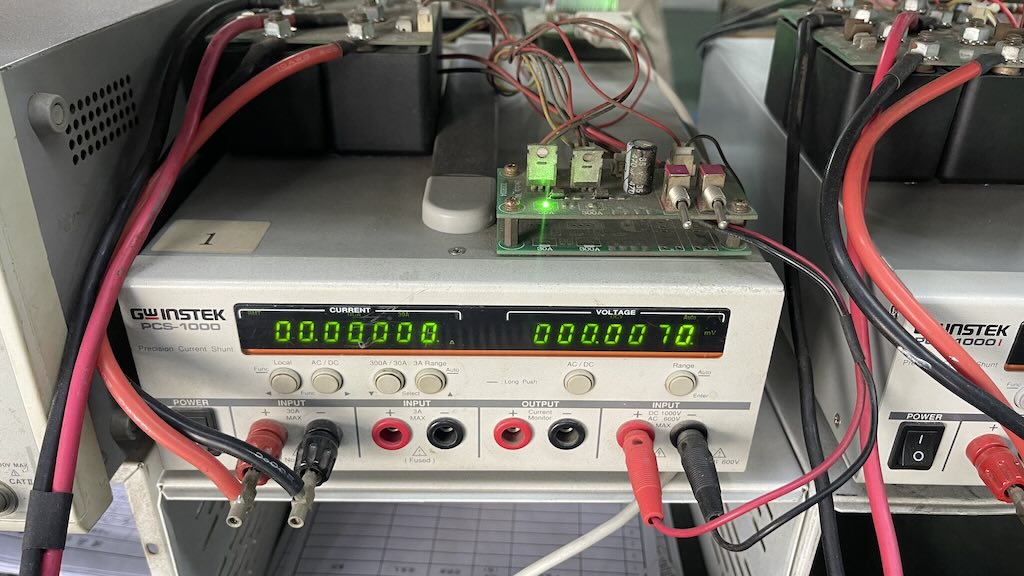
Maintaining high performance across manufacturing runs requires strict quality control protocols, spanning raw materials sourcing to high-temperature aging and final validation.
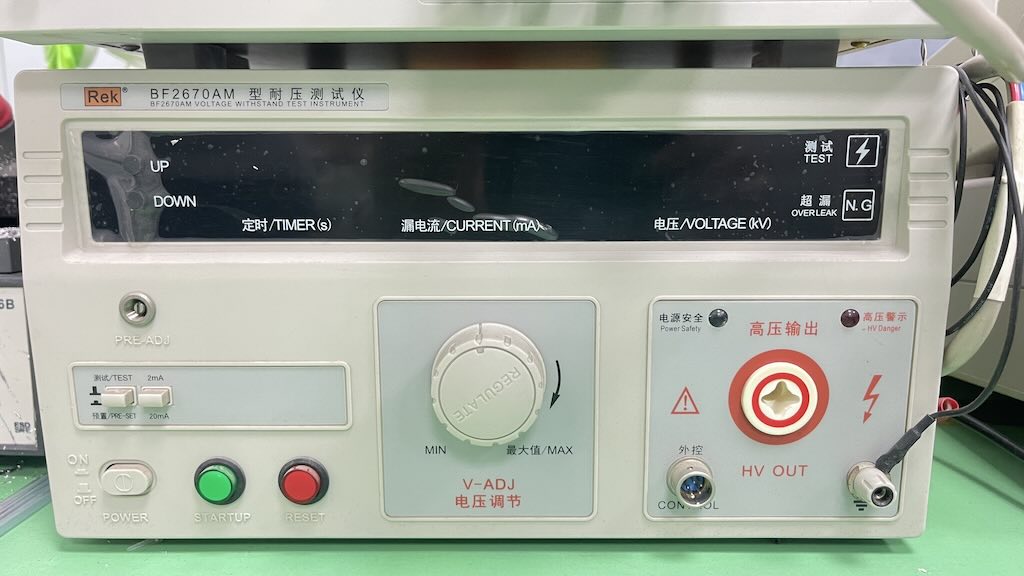
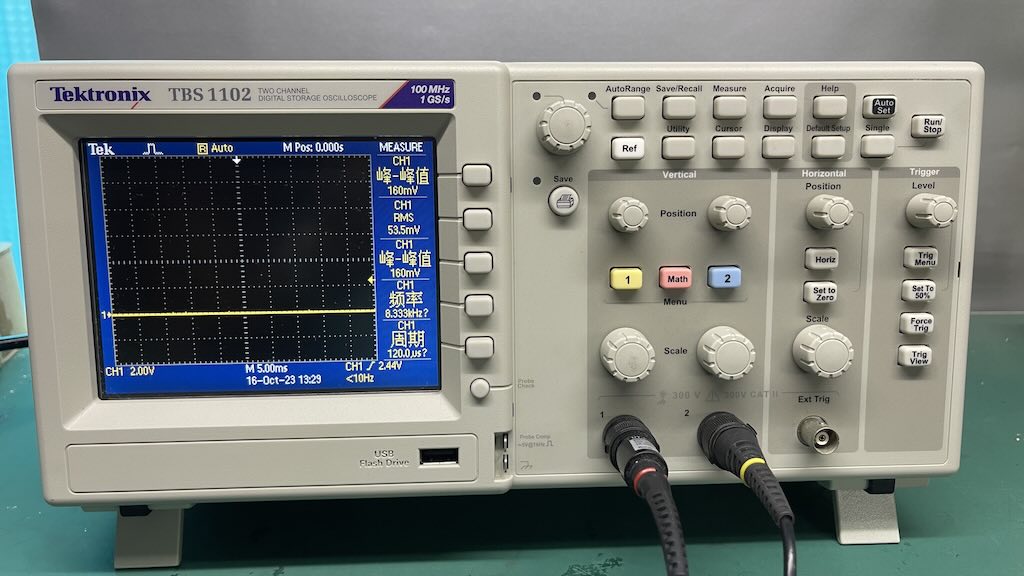
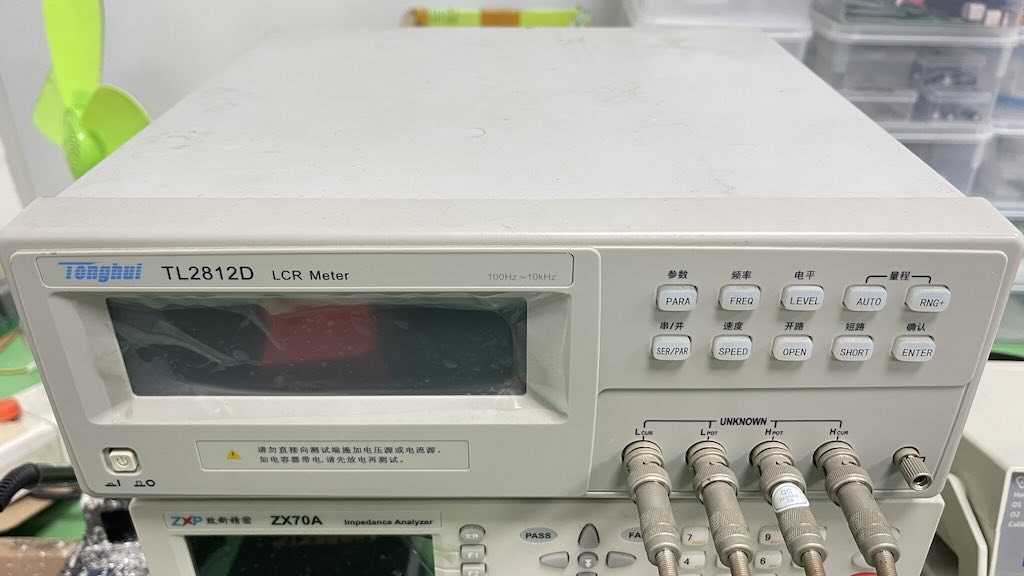
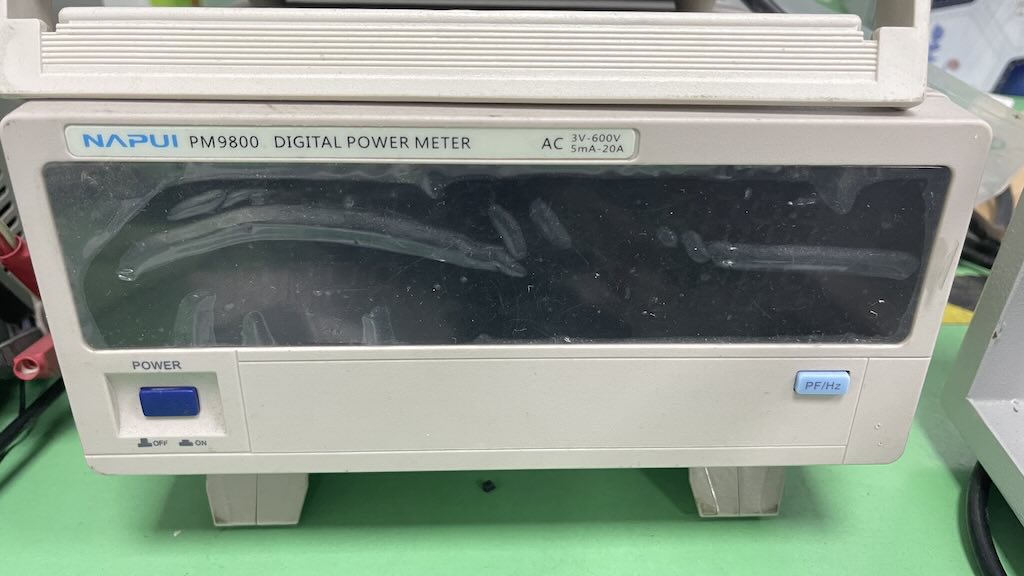
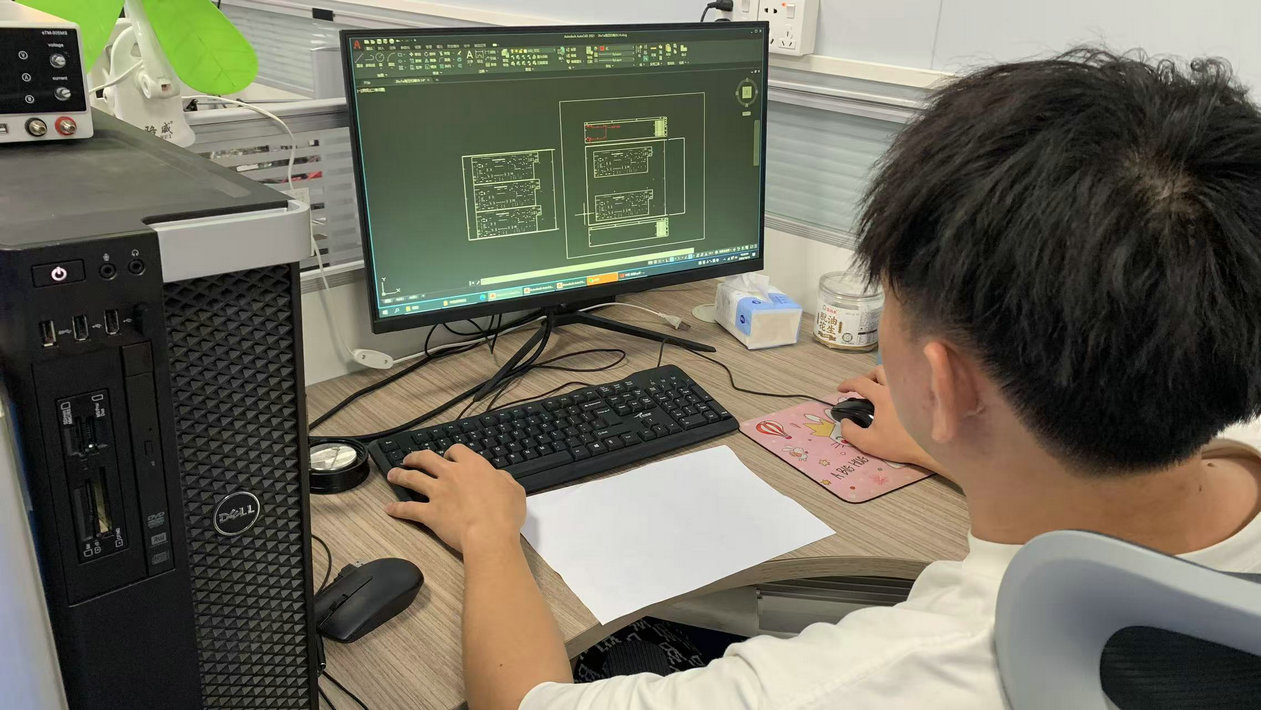
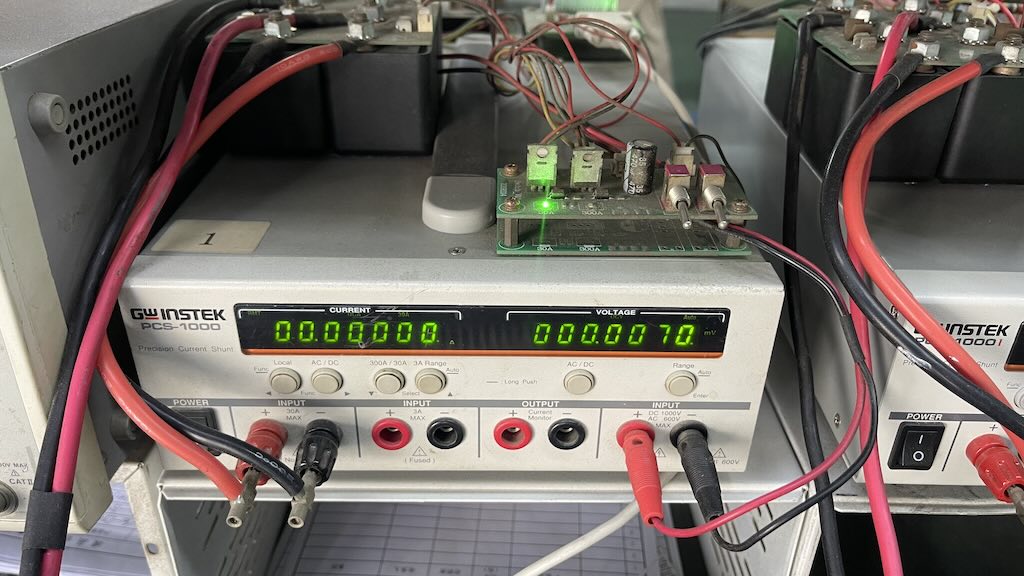
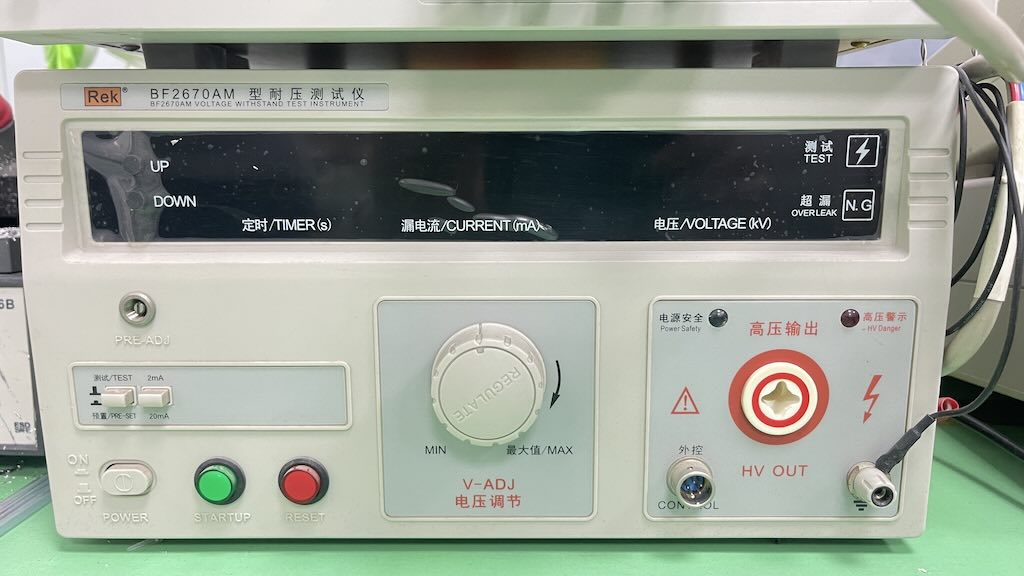
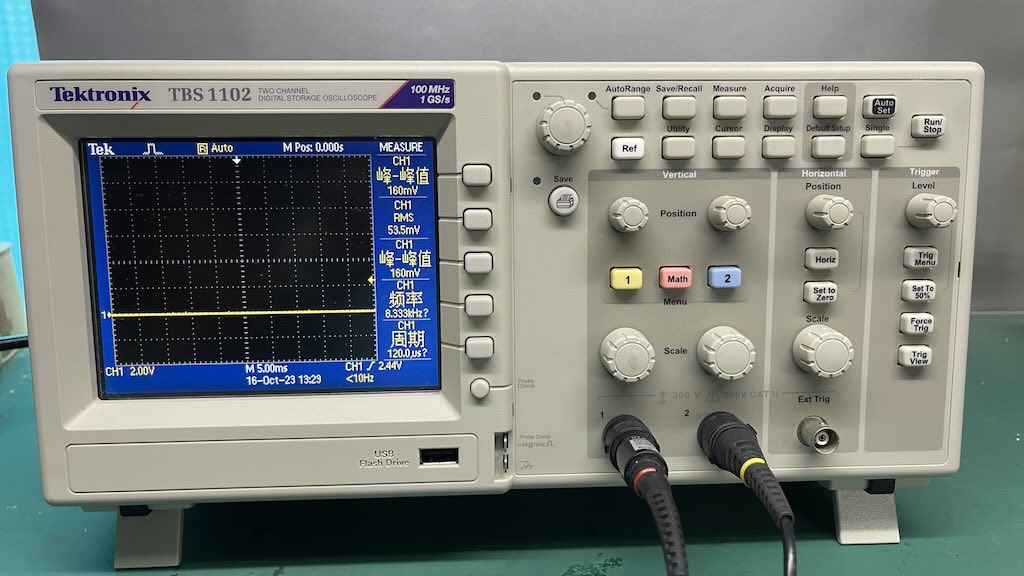
Operating in a regulated global environment requires adhering to international safety and quality protocols. Custom capacitor assemblies must comply with regional standards to ensure integration into target markets:
We ensure all custom capacitors use lead-free alloys and comply with environmental limits on cadmium, mercury, and hexavalent chromium. This allows for trouble-free distribution across European markets.
Every stage of production—from film winding and dielectric spraying to thermal stabilization—is monitored. Statistical Process Control (SPC) is utilized to ensure consistency across batches.
MYAMI provides comprehensive documentation, dynamic electrical modeling, and on-site engineering support to assist global development teams with system design and qualification trials.
Advanced capacitors operate under highly variable conditions depending on the system architecture. Our components are designed for:
As power architectures shift toward high-voltage wide bandgap semiconductors, capacitor technologies are evolving to support higher switching frequencies and power densities:
Silicon Carbide (SiC) and Gallium Nitride (GaN) systems operate at higher switching speeds. Capacitors must feature extremely low Equivalent Series Inductance (ESL) to prevent voltage overshoot during fast transitions.
Developing thinner polymers and specialized zinc-aluminum coatings allows for higher energy densities, shrinking system footprints while maintaining voltage ratings.
Segmented metallized films help isolate localized breakdown points. If a fault occurs, the affected segment disconnects, allowing the capacitor to remain functional without short-circuiting.

 Myami Power