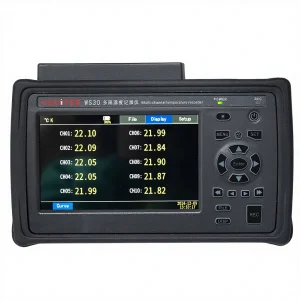
China acts as the core gravity well for global magnetic component sourcing. Benefiting from regional clusters in Shenzhen, Dongguan, and Zhejiang, local inductor manufacturers leverage cheap high-grade raw materials (such as Manganese-Zinc, Sendust cores, Nickel-Zinc ferrites) combined with advanced automated winding setups. As an industrial leader, MYAMI bridges the gap between raw component availability and performance verification, offering systemic testing solutions to confirm inductors execute under critical conditions without thermal or dielectric breakdown.
Operating in international markets demands strict adherence to rigorous engineering guidelines. Modern high-power inductors and converters must pass stringent regulatory frameworks, including CE, RoHS, REACH, and automotive-grade IATF 16949 / AEC-Q200 testing parameters. Global procurement agents require verified guarantees that components survive intense thermal cycling, high vibrational environments, and continuous voltage stress over an expected 10-year runtime.
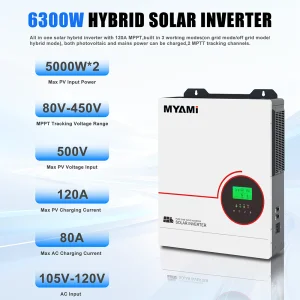
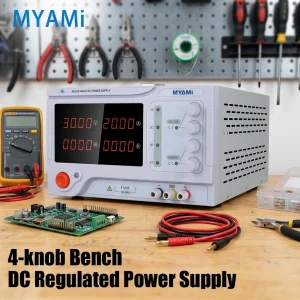
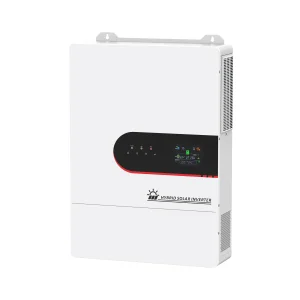
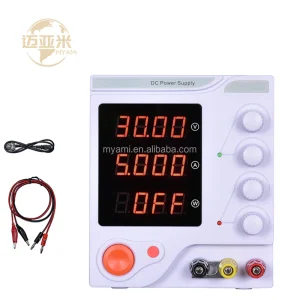
Top-tier exporters provide more than just off-the-shelf catalog parts; they supply Field Application Engineering (FAE) services that integrate directly with localized product cycles. Whether calibrating the electromagnetic compatibility (EMC) of a hybrid solar inverter or designing custom choke profiles to limit ripple current in high-voltage DC power supplies, localized support limits system development downtime and optimizes bill-of-materials (BOM) overhead.
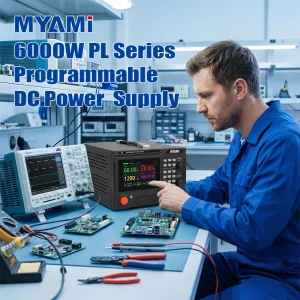
Headquartered in Shenzhen, China, Shenzhen Myami Power Technology Co., Ltd. (MYAMI) is a technology-driven manufacturer and solution provider specializing in high-precision, industrial-grade power supplies and electrical test equipment. Designed for engineering rigor, MYAMI bridges the gap between complex electronic research, high-voltage component testing, and scalable industrial automation.
Our specialized engineering portfolio focuses on four core operational pillars:
Every MYAMI system is engineered with strict multi-layer protection protocols (OVP, OCP, OTP, and short-circuit safeguards) and complies with international safety and quality standards, including CE, RoHS, and ISO9001. Integrated with standard industrial control protocols (RS485, RS232, and CAN communication), our equipment seamlessly connects to automated production lines and central PC control systems.
Today, MYAMI serves research institutions, automotive OEMs, aerospace contractors, and electronics manufacturers across North America, Europe, East Asia, and the Middle East. Whether you require a single benchtop lab power supply or a custom high-power aging system, MYAMI is your ultimate partner for precision power and uncompromised testing reliability.
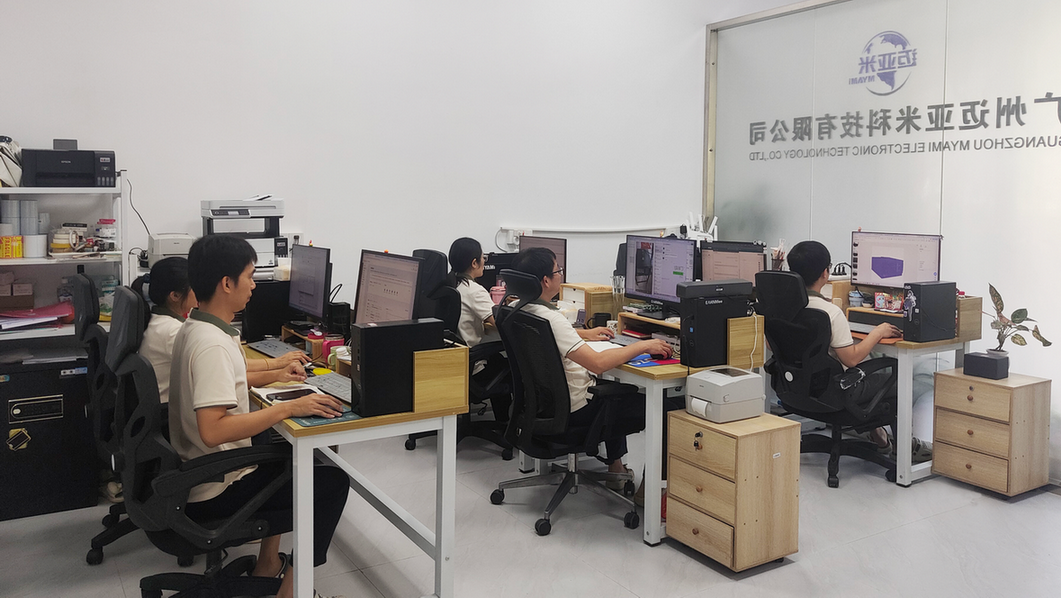
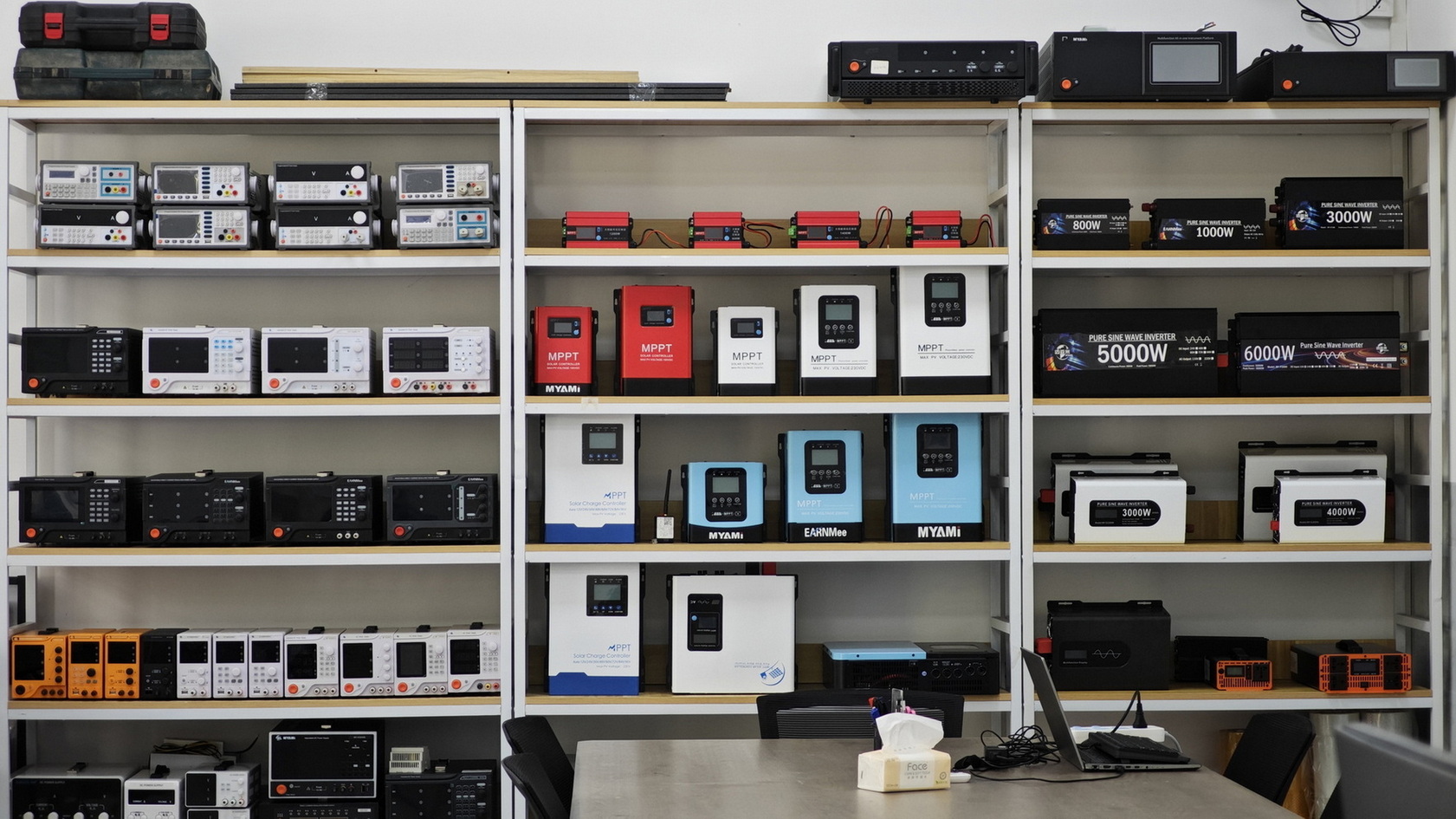
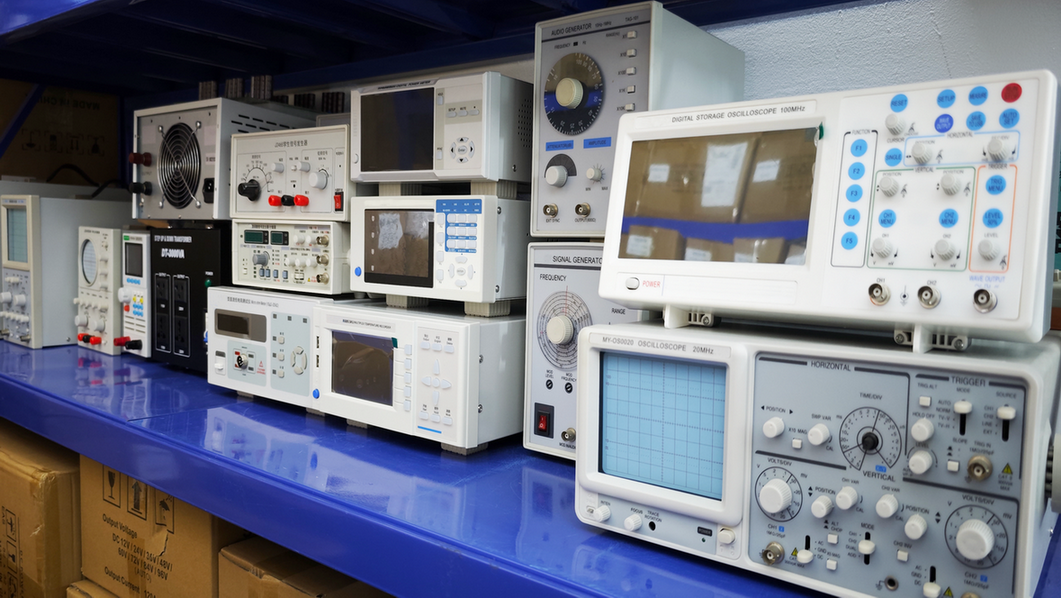
Quality is not an afterthought; it is built systematically from the raw magnetic powders and PCB structures up to the final precision calibration steps inside MYAMI's cleanroom test bays.
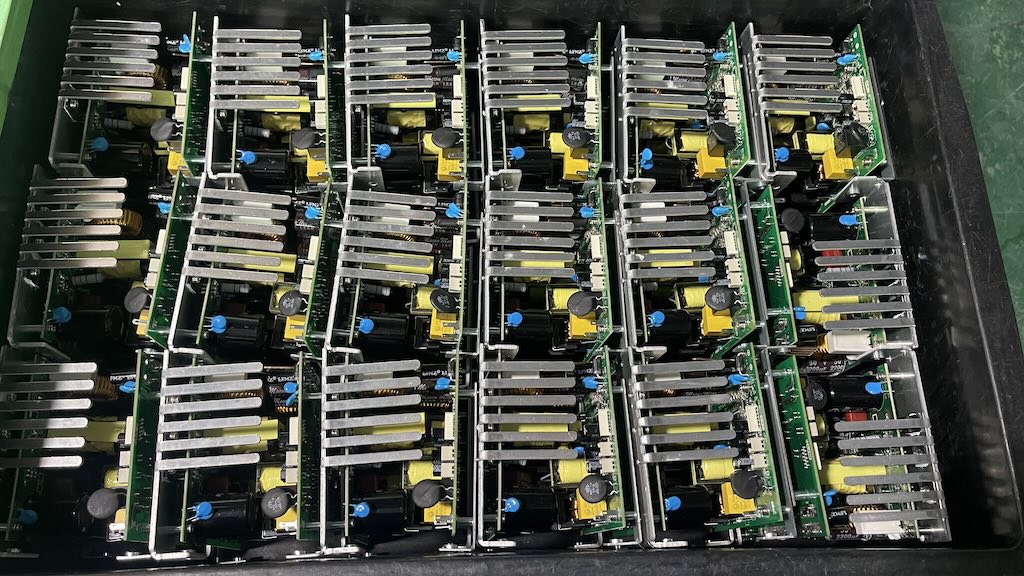 Raw Material
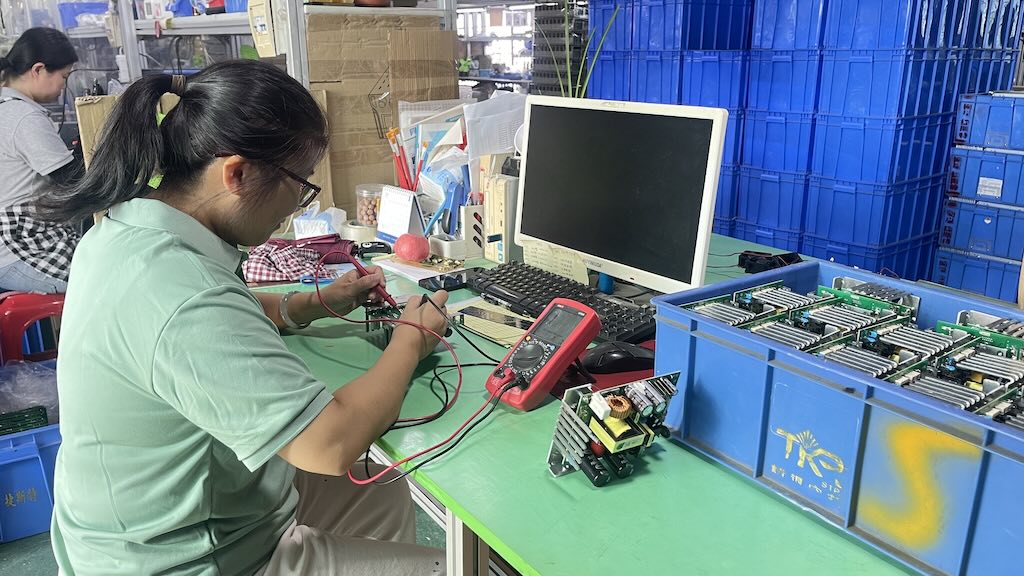 PCB Checking
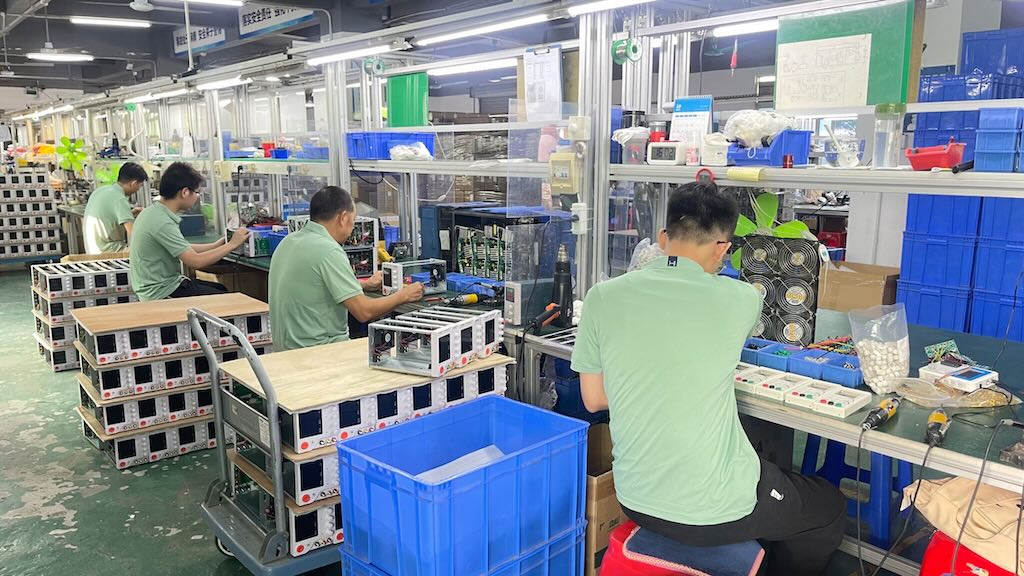 Assembling
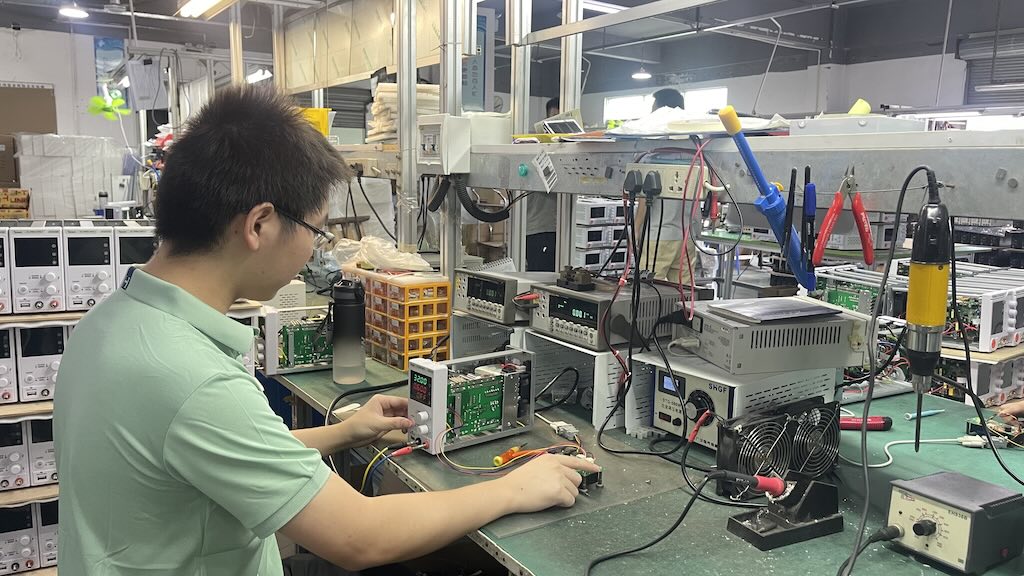 Debug
Debug
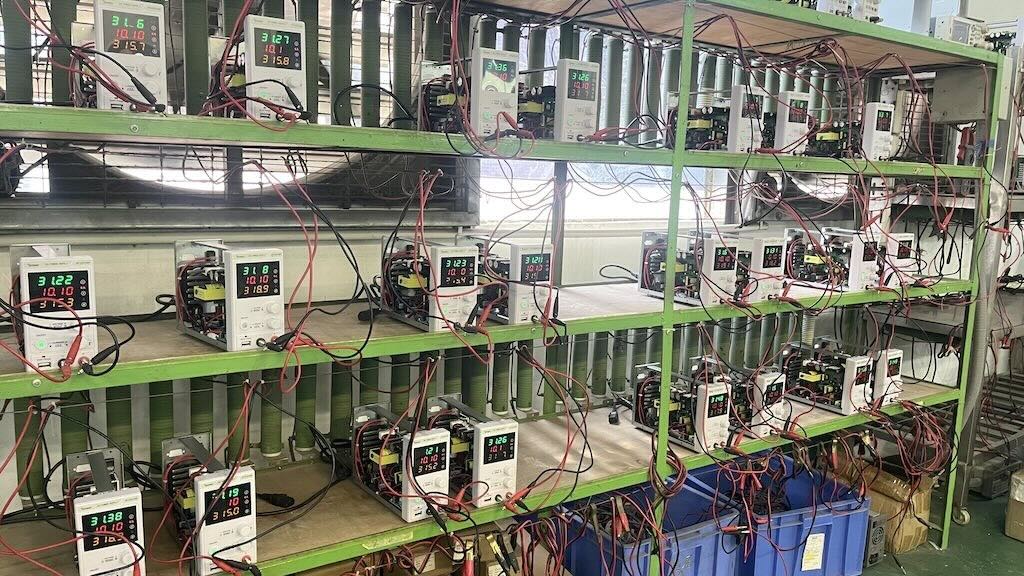 Aging
Aging
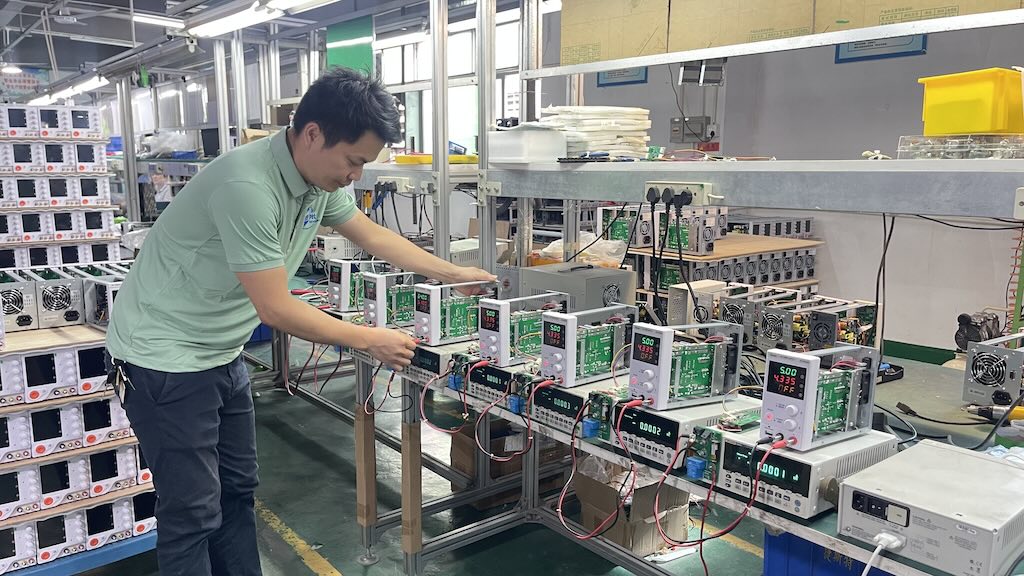 Calibration
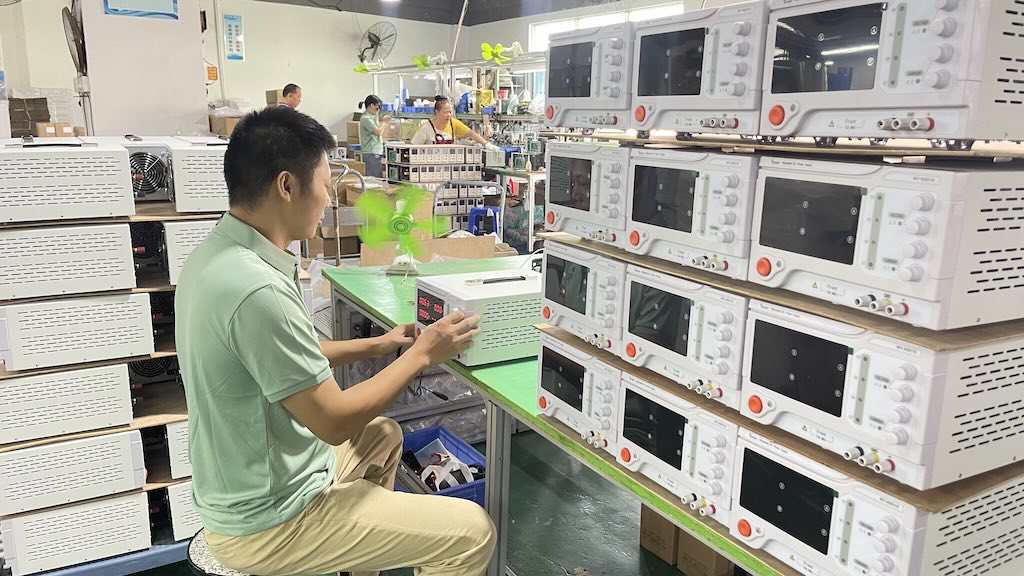 QC checking
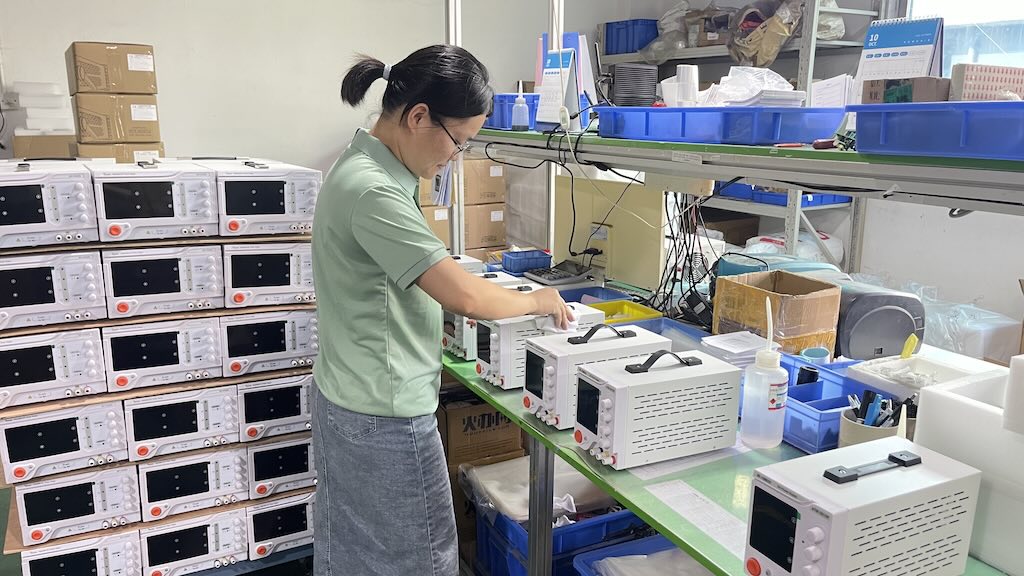 Packing
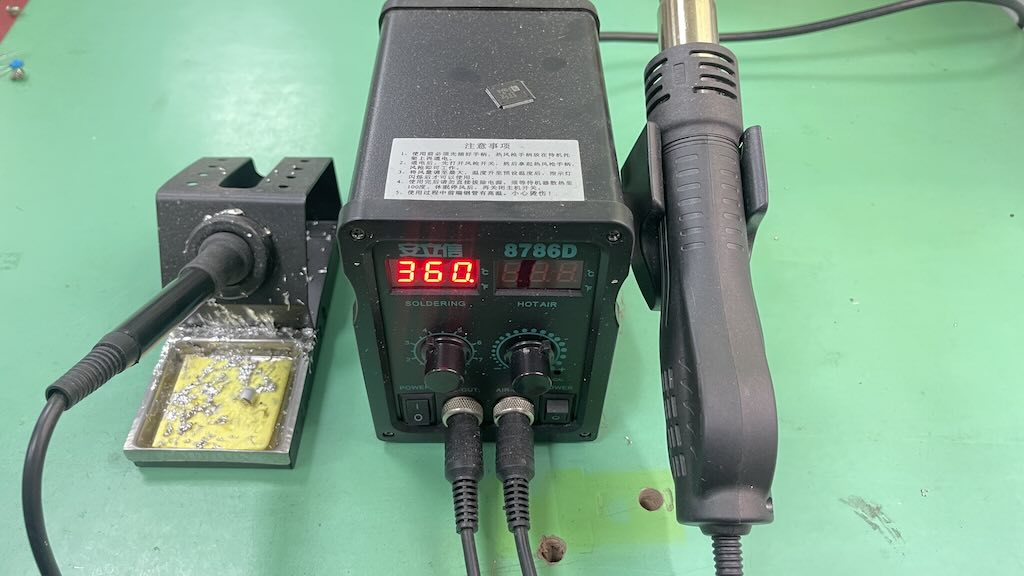 Soldering Station
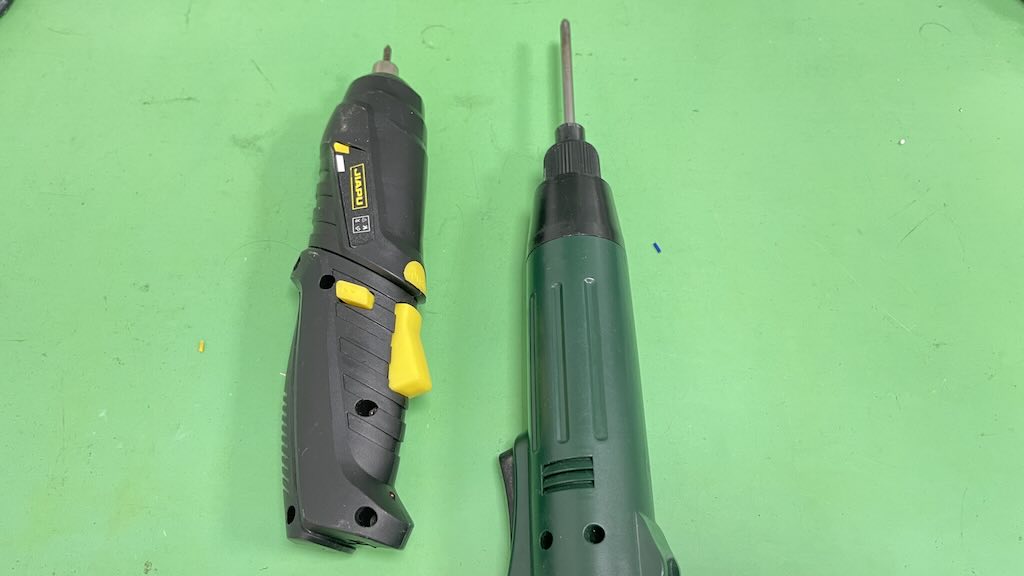 Electronic Screwdriver
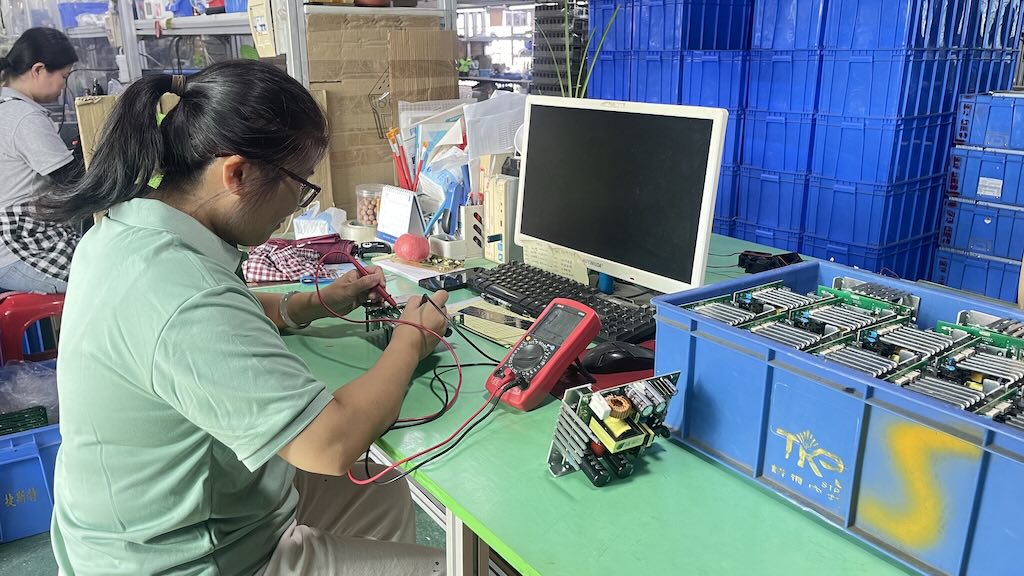 PCB Check
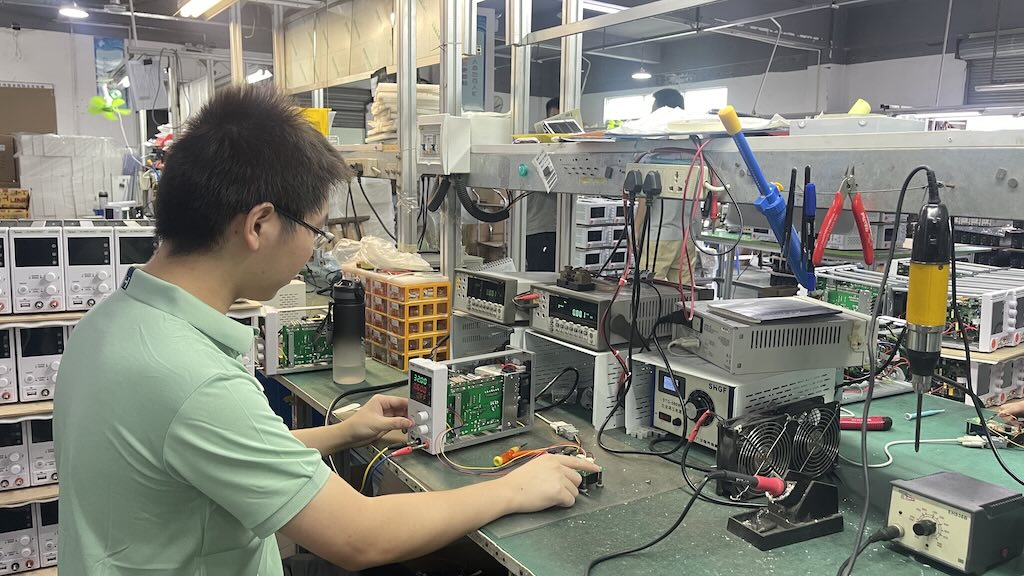 Debug
Debug
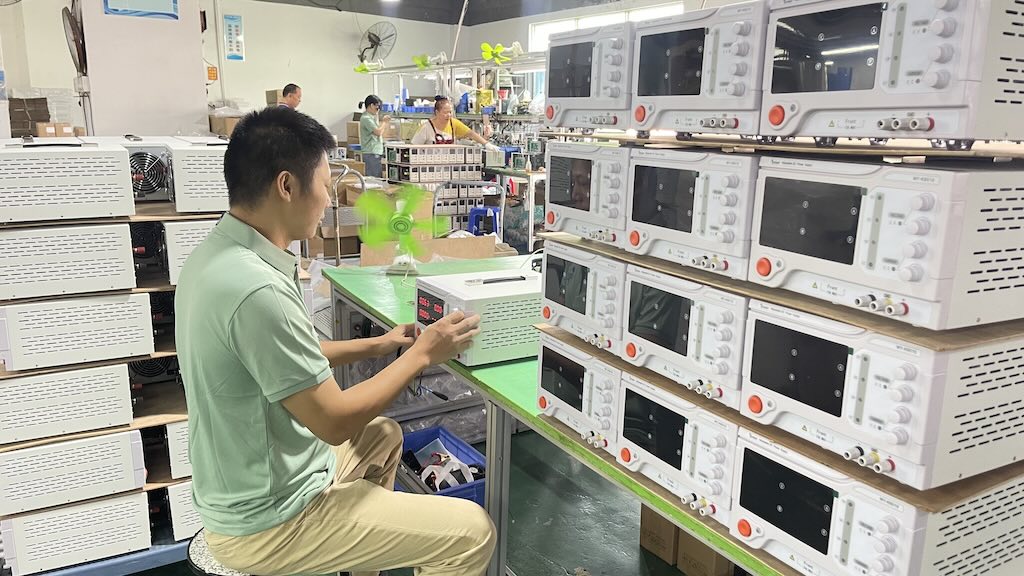 QC check
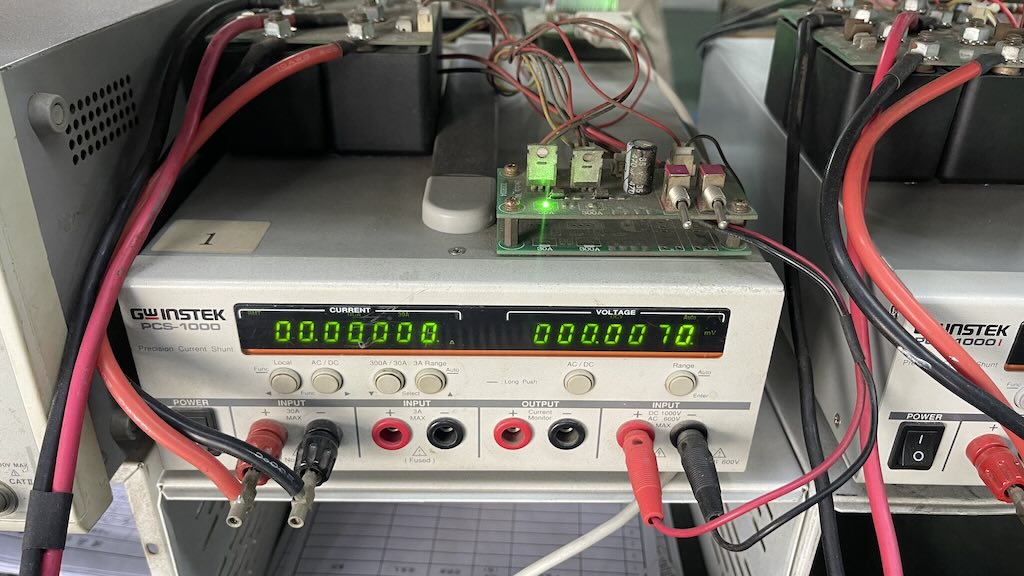 Multimeter
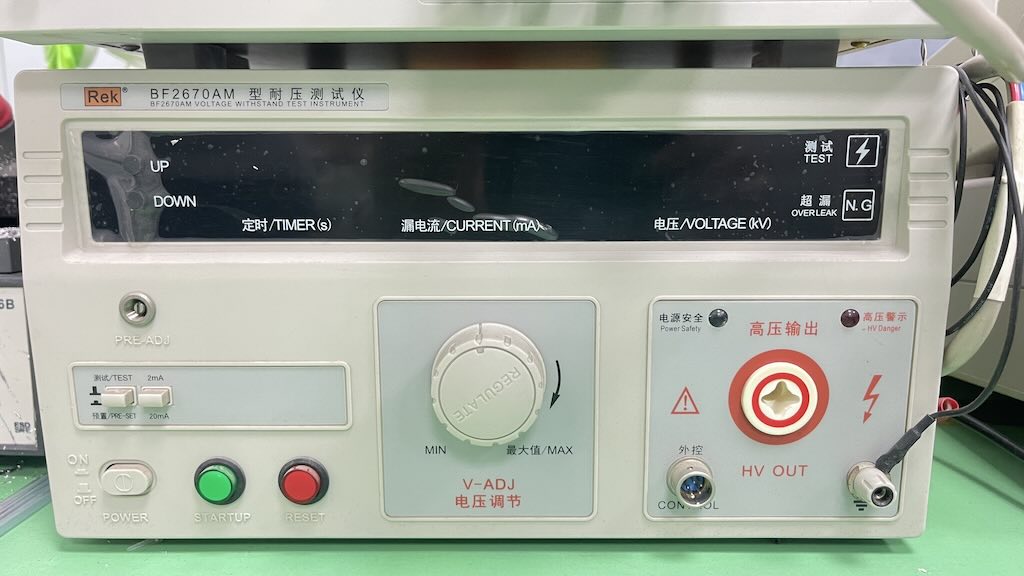 Hi-pot Tester
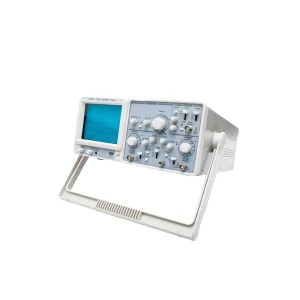
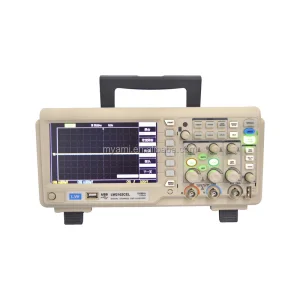
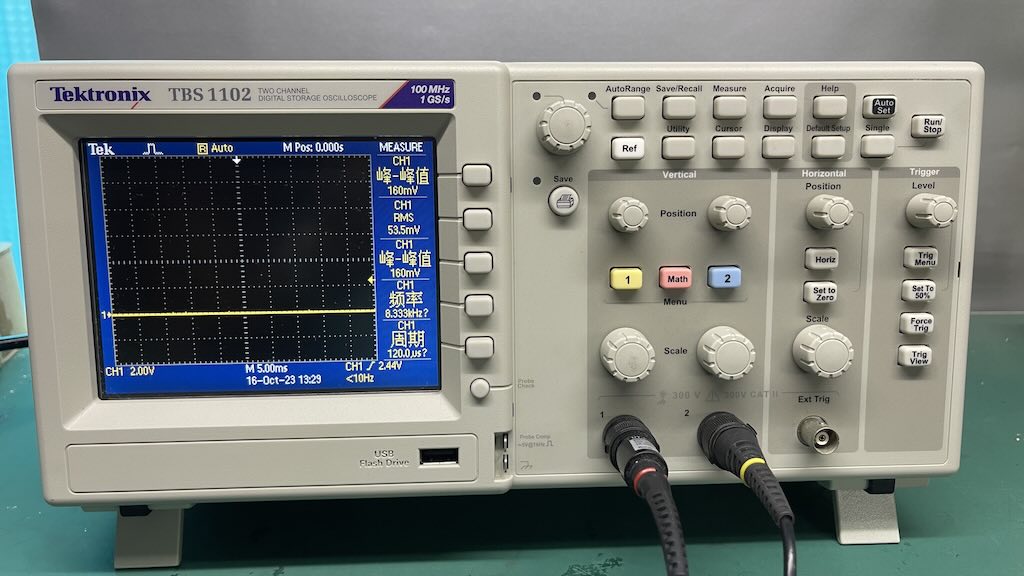 Oscilloscope
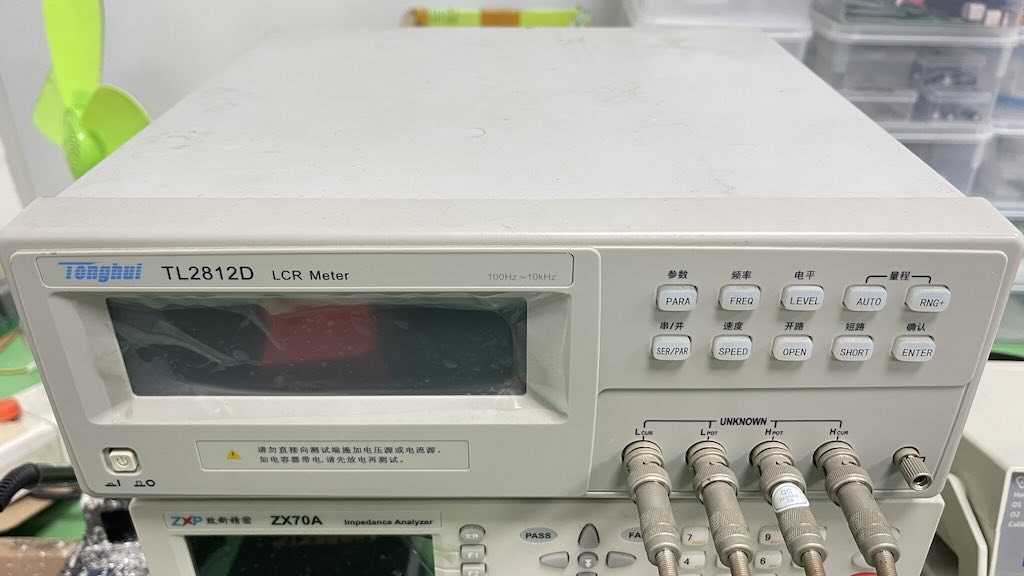 LCR Meter
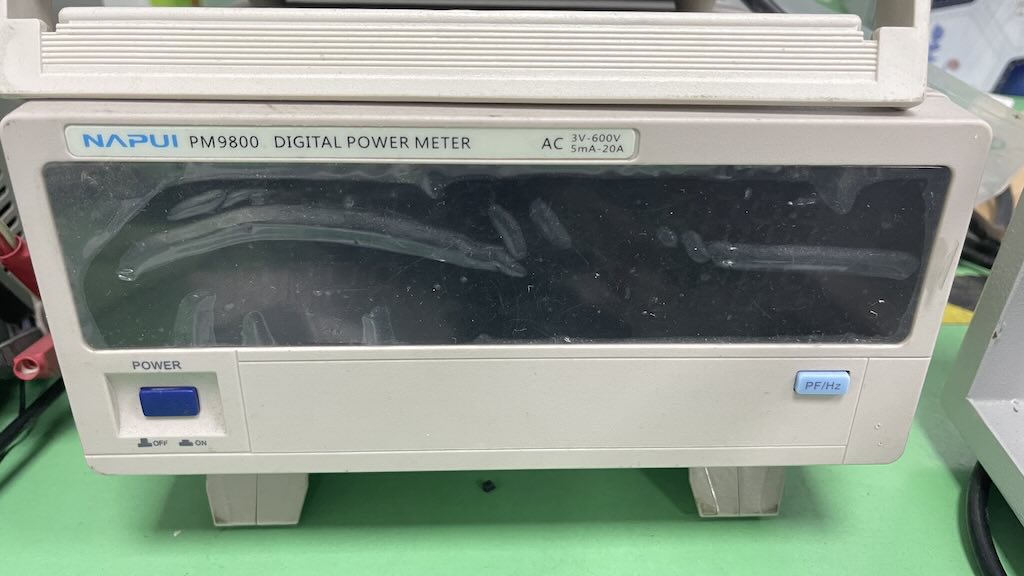 Digital power meter
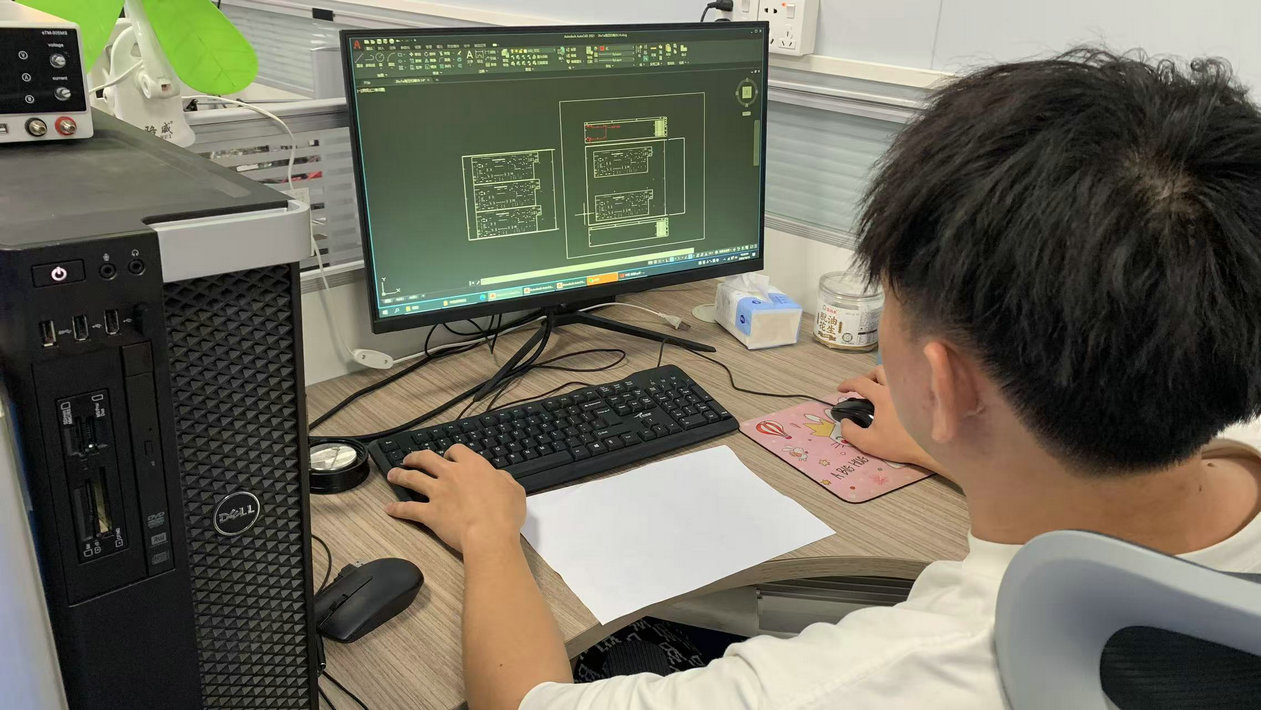 Design
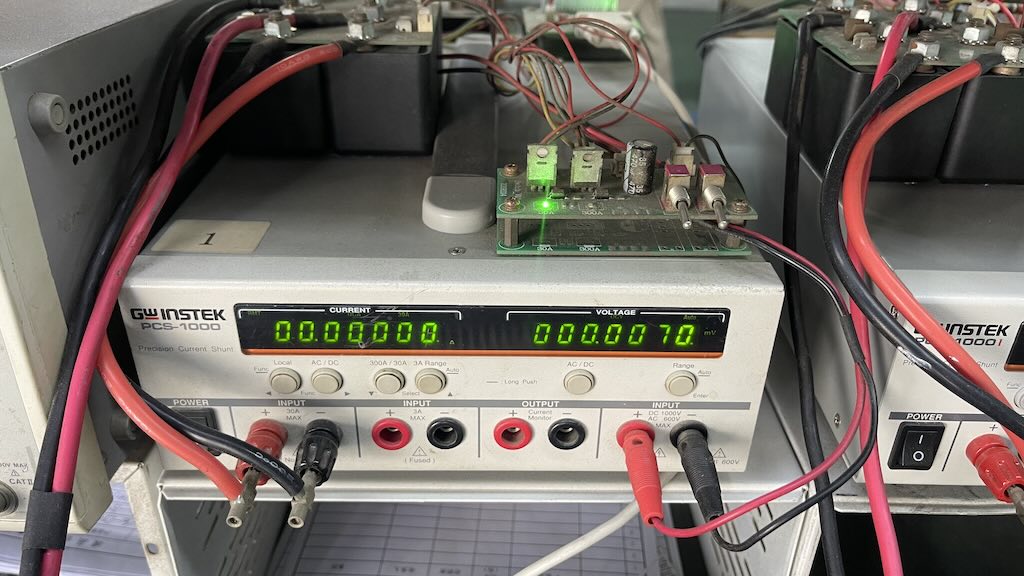 Multimeter
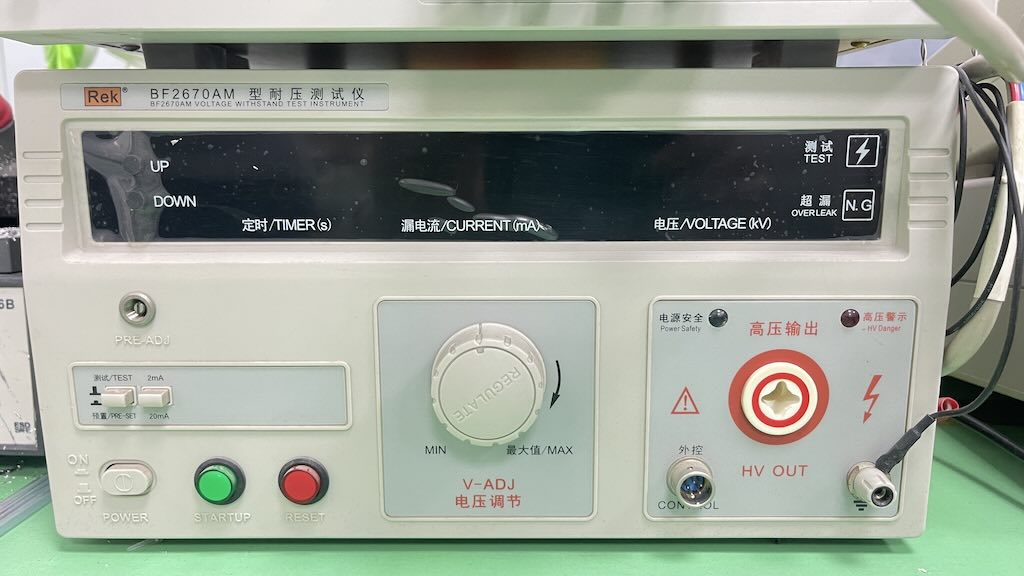 Hi-pot Tester
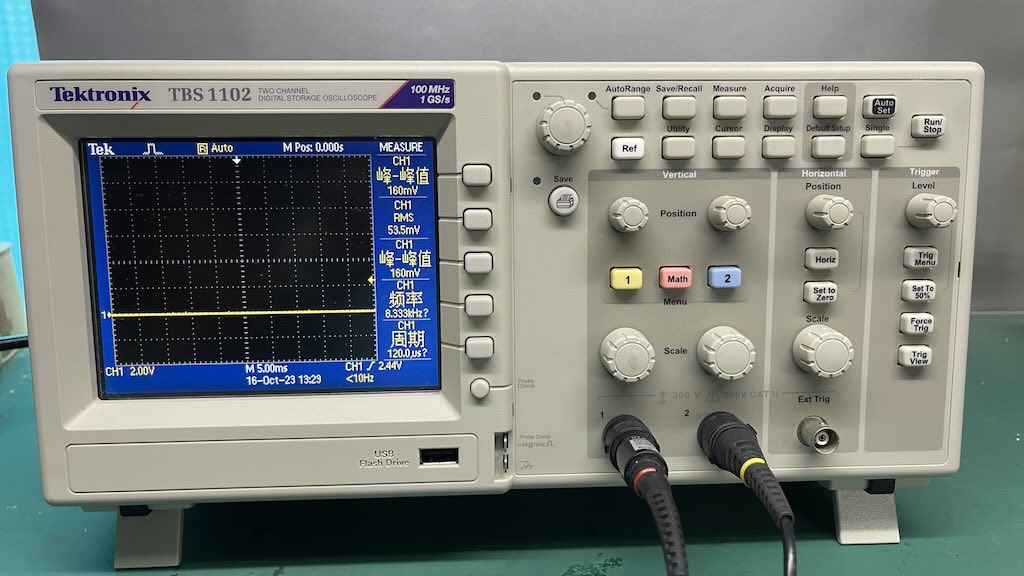 Oscilloscope
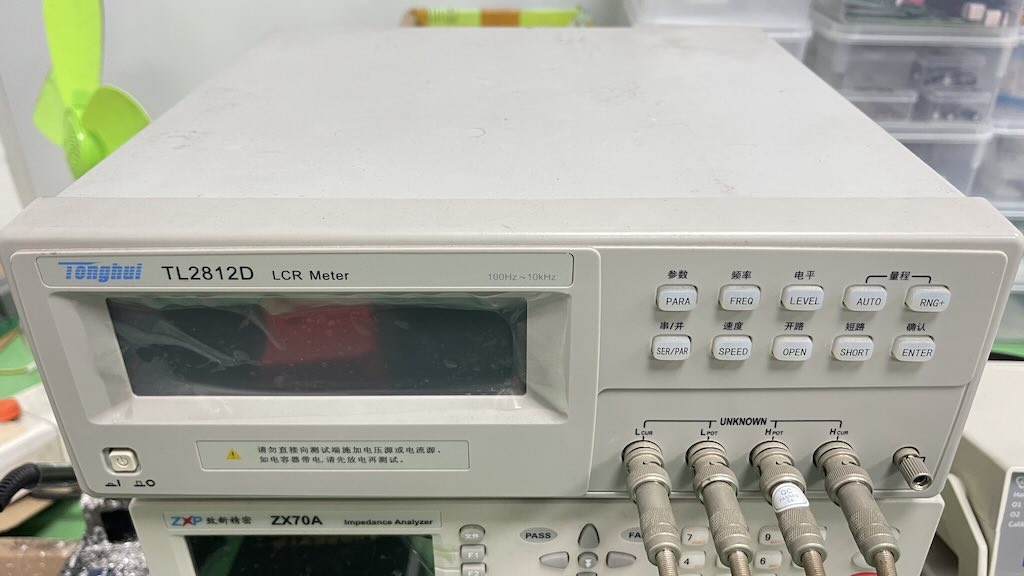 LCR Meter
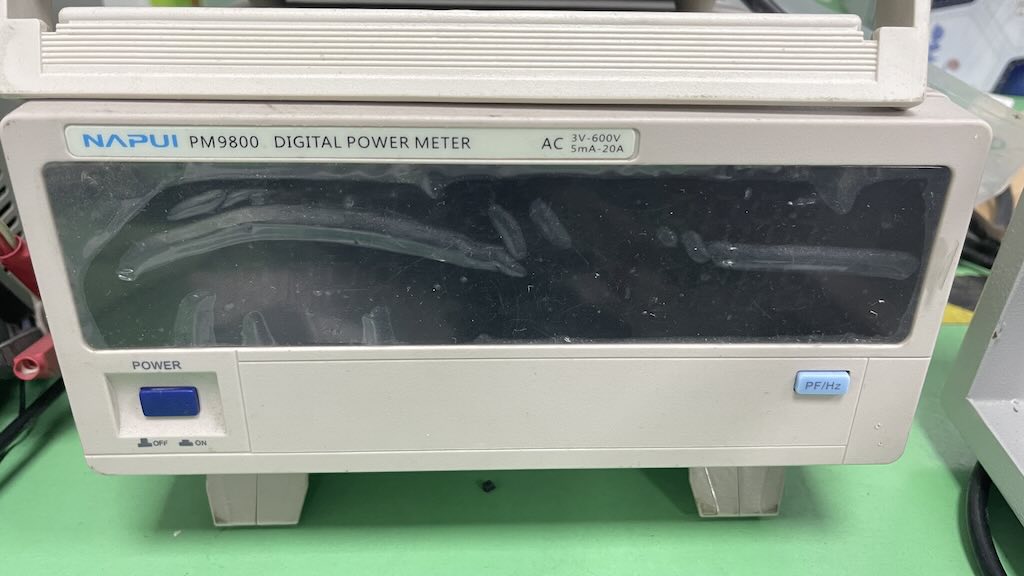 Digital power meter
In modern electronic power topologies, inductors function as fundamental components that store energy magnetically, smooth voltage ripples, and suppress high-frequency electromagnetic noise. Selecting the correct inductor layout involves analyzing core magnetic characteristics under thermal and electrical stress:
Electric Vehicle On-Board Chargers (OBC) and High-Voltage DC Fast Charging stations operate at elevated power levels, necessitating magnetic components that possess low core losses and superior thermal conductivity. Heavy-duty inductors winding profile uses flat copper wire to maximize cross-sectional area, reducing high-frequency skin effects and direct current resistance (DCR).
In solar power converter configurations, boost and filtering stages are subject to high switching speeds. Modern designs use powder core chemistries (like Sendust and High Flux) to prevent rapid saturation limits ($I_{sat}$), maintaining linear magnetic permeability across varying temperatures and current loads. Reliable power inductors assure long-term stability and high system efficiency, minimizing energy waste as heat.
The telecommunications segment is transitioning toward localized, high-density point-of-load (POL) power converters. In these architectures, molding power inductors with metal dust composite structures offer compact form factors, minimal stray electromagnetic interference (EMI), and excellent magnetic shielding. This performance is vital in avoiding interference with sensitive adjacent processing circuits.
Saturation Current ($I_{sat}$) defines the DC current level at which the inductance value drops by a specified percentage (typically 10% to 30%) due to core saturation. Temperature Rise Current ($I_{rms}$) describes the continuous current value that causes the component temperature to rise by a set amount (usually 40°C) above ambient, primarily due to copper losses (DCR). Both ratings are critical, and engineers must evaluate system performance limits under worst-case operational scenarios.
Sendust (composed of Silicon, Aluminum, and Iron) possesses a soft saturation profile, low core loss at high frequencies, and excellent thermal stability. This makes it highly superior to typical ferrite cores in applications where peak current fluctuations occur, preventing sudden inductor saturation and subsequent circuit failure.
Testing is divided into primary developmental phases: material analysis, parameter checks (using precision LCR Meters), high-temperature aging cycles under load, and final quality control inspections. Specialized DC and AC variable power sources verify the component’s characteristics under real-world loads and thermal environments to prevent field degradation.
Importers must confirm products carry European CE markings, comply with hazardous substance laws under RoHS and REACH, and utilize electrical safety isolation protocols certified by testing labs such as UL. For automotive installations, components must comply with AEC-Q200 testing standards.
 Myami Power